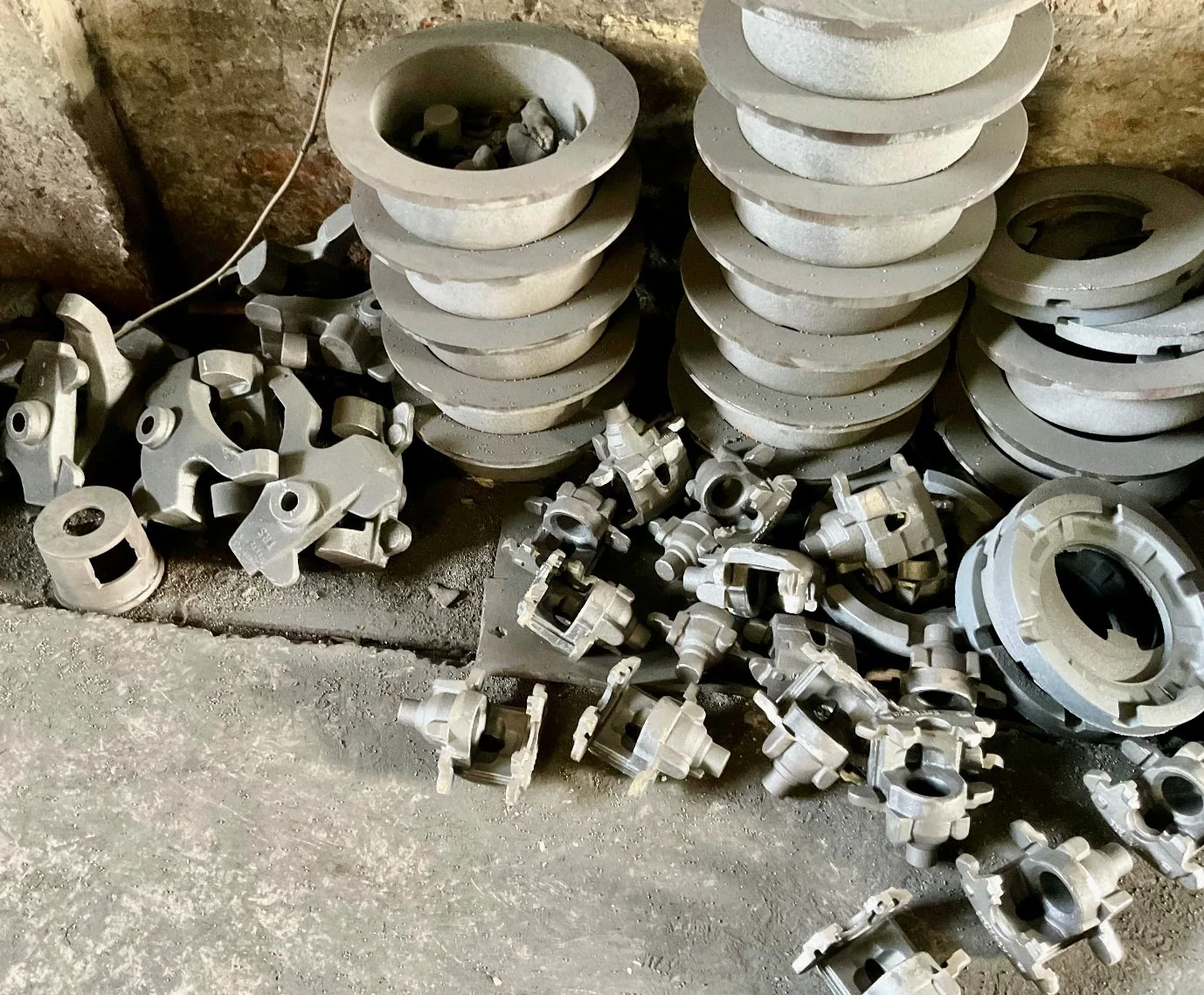
PRECISION CASTING FROM INDIA
From molten pour to ±0.04 mm post machining. One accountable owner from drawing to your US dock. Zero Section 301 tariffs on our China Plus One programs.
You already know
these emails.
If you have ever sourced from India, you know the routine. Email at 9 in the morning. No reply. Email again at 4. Maybe an answer Tuesday. We built VIA INDIGOS so the fifth email never lands.
This is where the chasing stops.
WE DE-TANGLE
YOUR CASTING NEEDS.
COMPLETELY.
If you have ever sourced castings from India, you know the routine. WhatsApp at 11 PM. Photo of a defective part with no context. A supplier asking for an advance against a tool that has not been audited. We built VIA INDIGOS because that routine wastes a week of your month, every month. Most casting programs finish with CNC machining and surface finishes, and we run the whole chain under one owner. 50+ casting partner facilities across 22+ Indian cities, part of a 470+ facility audited partner network. Combined network capacity of 1,000 tons per month. Whether your monthly volume is 500 pieces or 50,000, the program is set up the same way: one owner, one weekly status, one dock delivery.
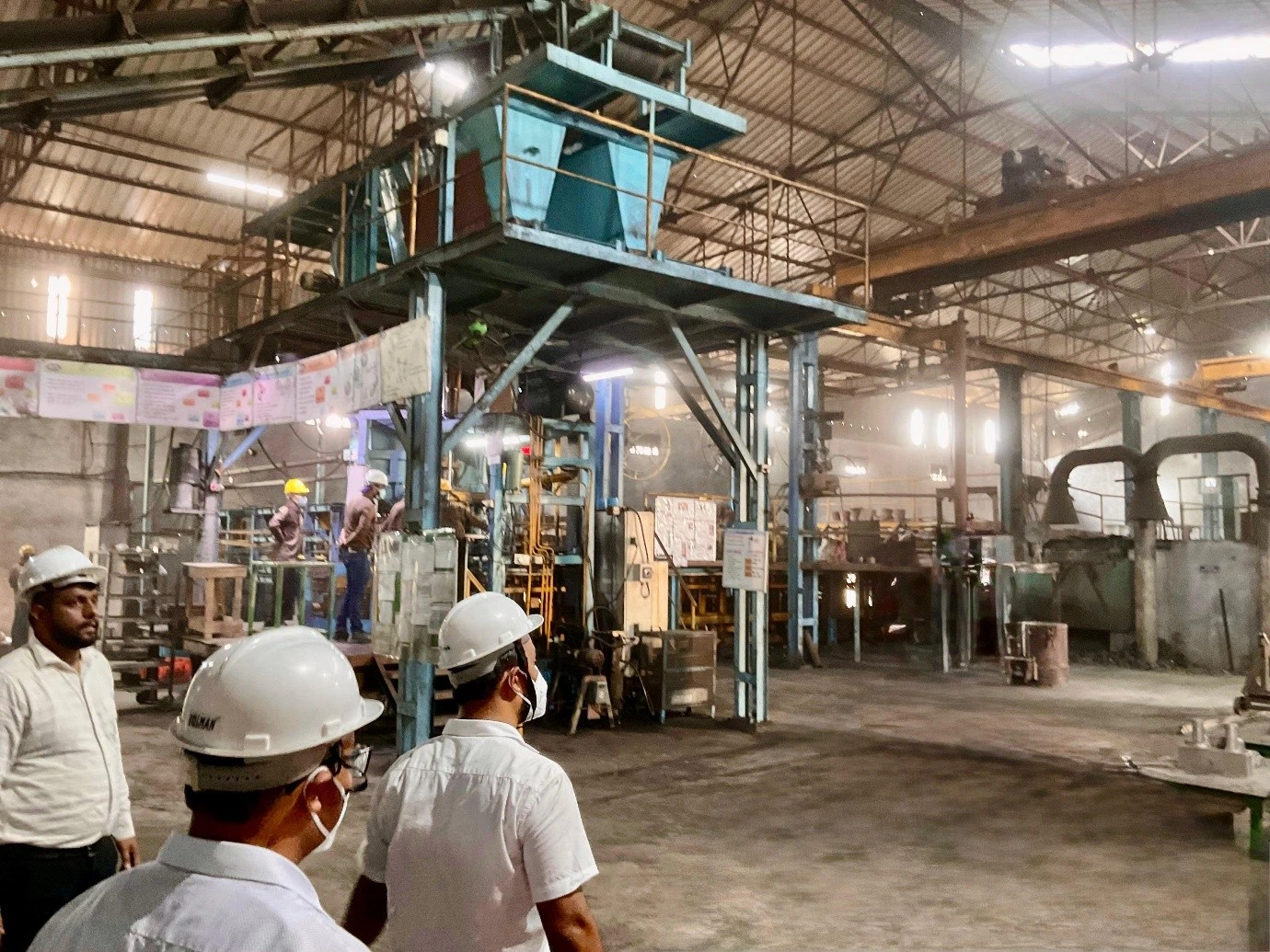
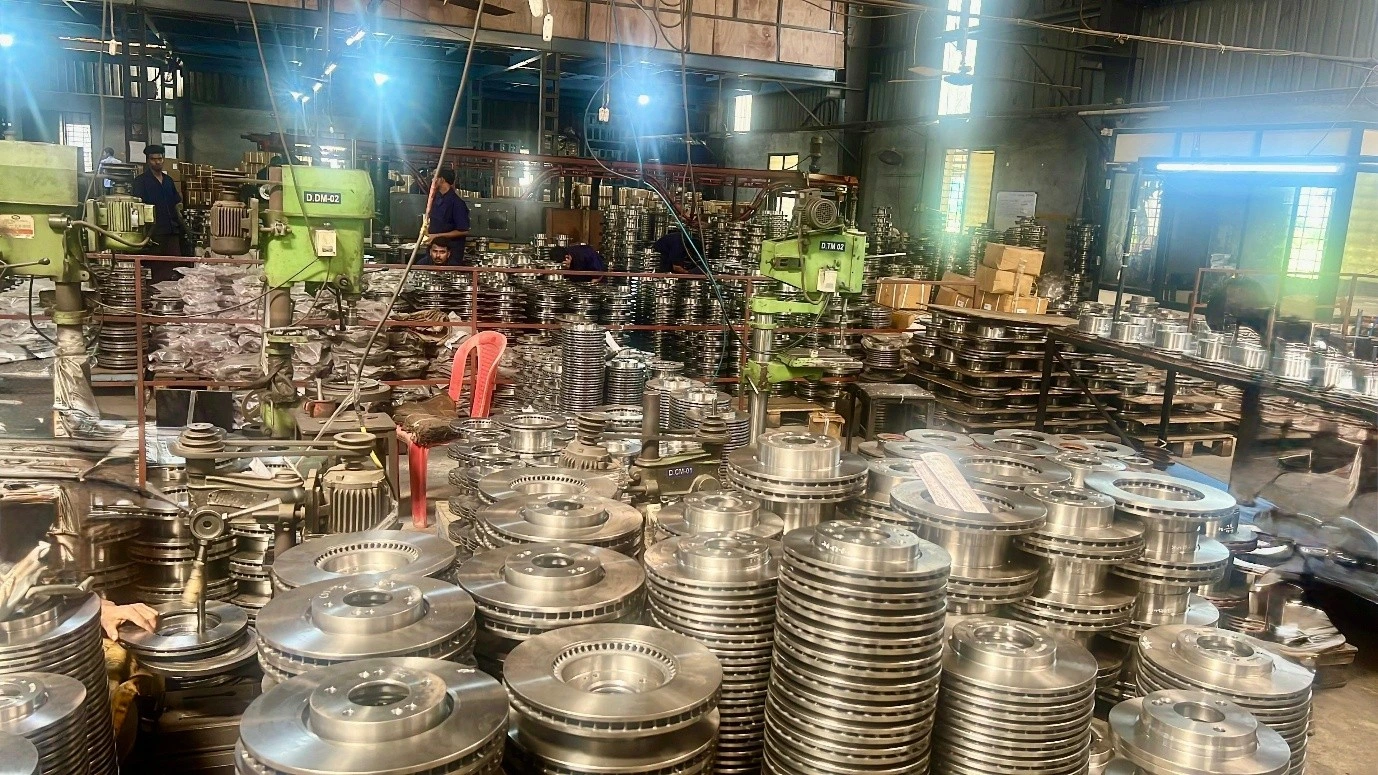
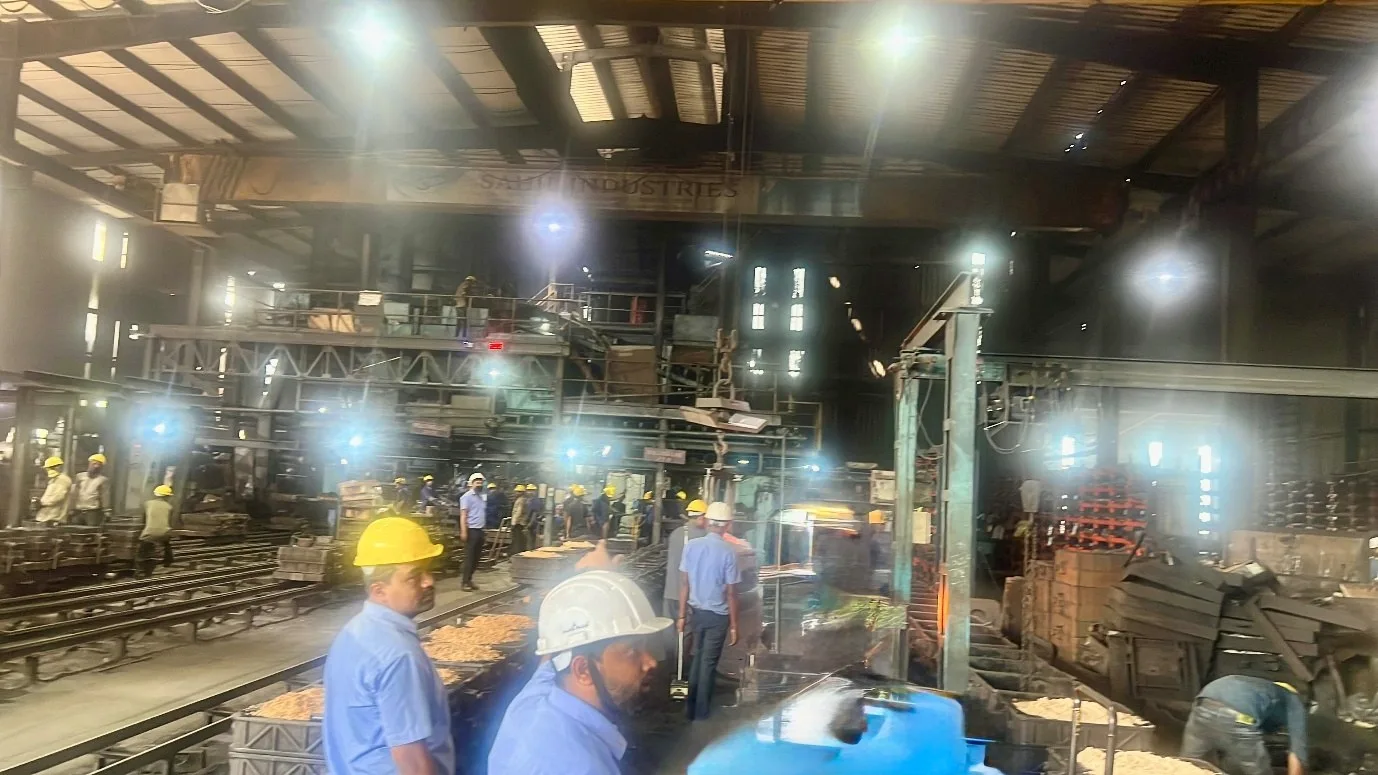
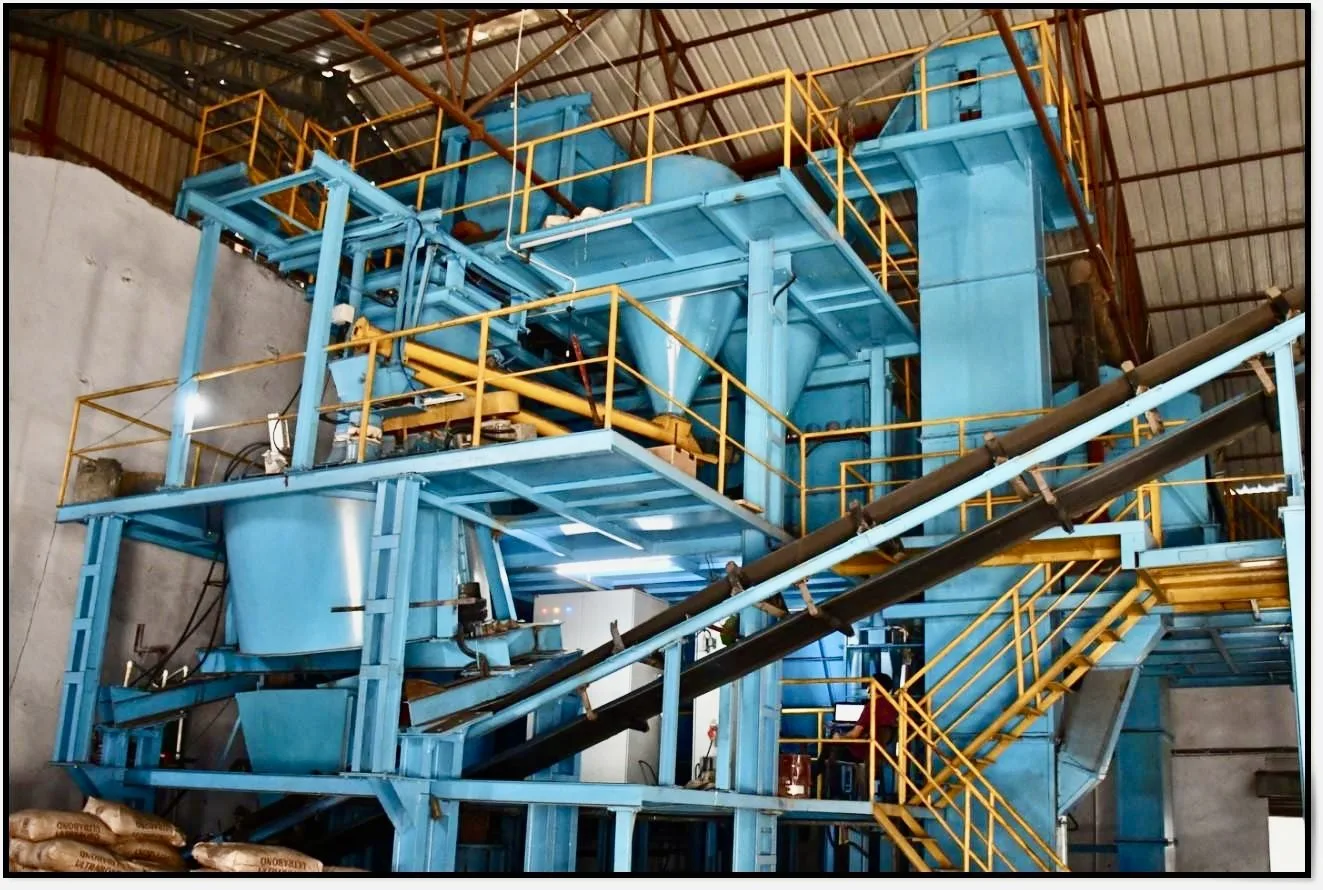
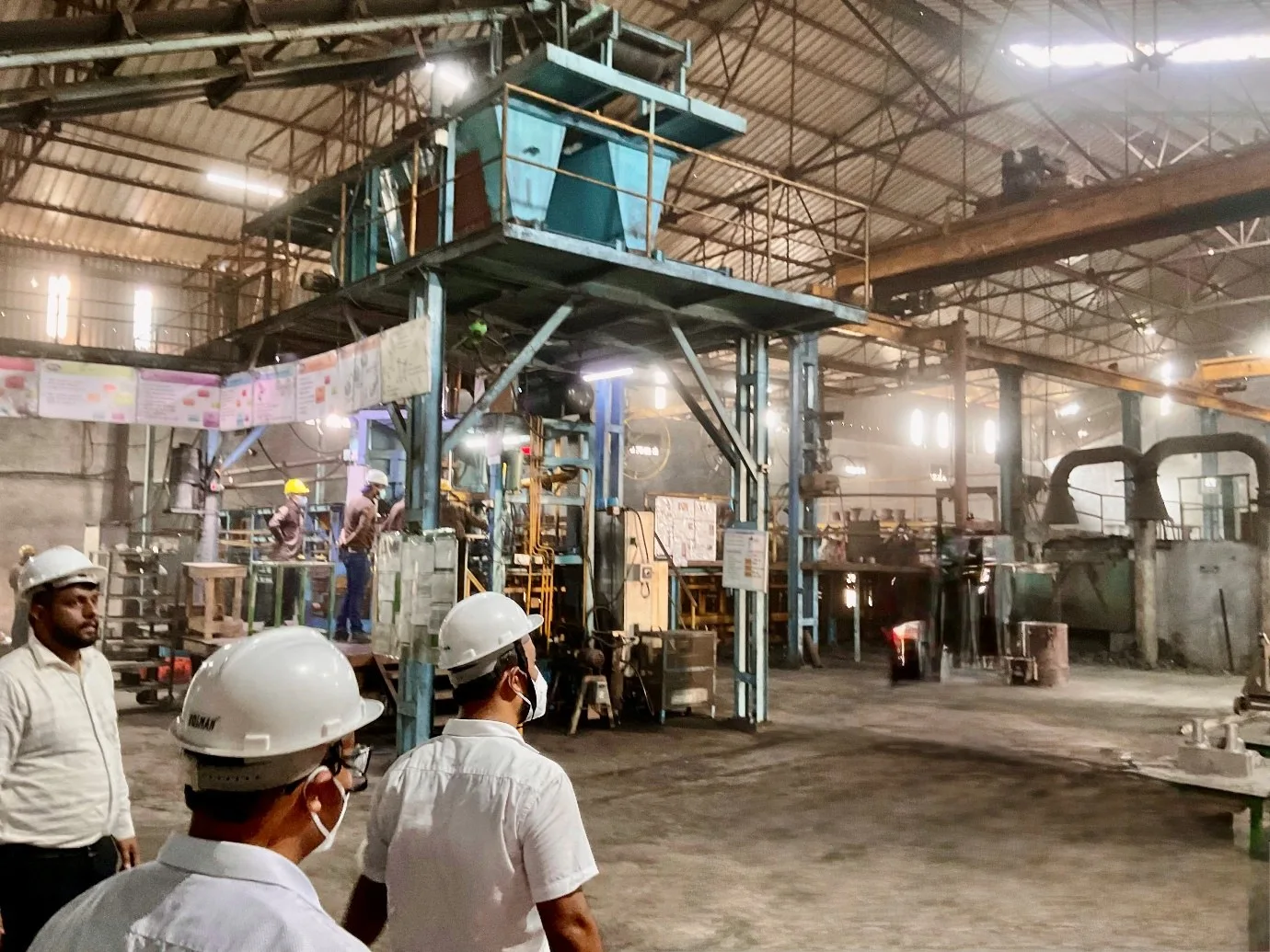
I walk the partner floor before a single PO is placed. We check sand permeability, pouring temperature ranges, moulding line condition, and the lab that will run your spectro and tensile tests. We audit the sub suppliers who will do heat treatment and CNC secondary operations on your parts, because a casting is only as strong as the weakest step in the chain. DFM happens before a tool is cut. T0, T1, and T2 validation gates come with photographic evidence, dimensional data, and a written verdict from our quality lead. Boots on the ground, every step of the way.
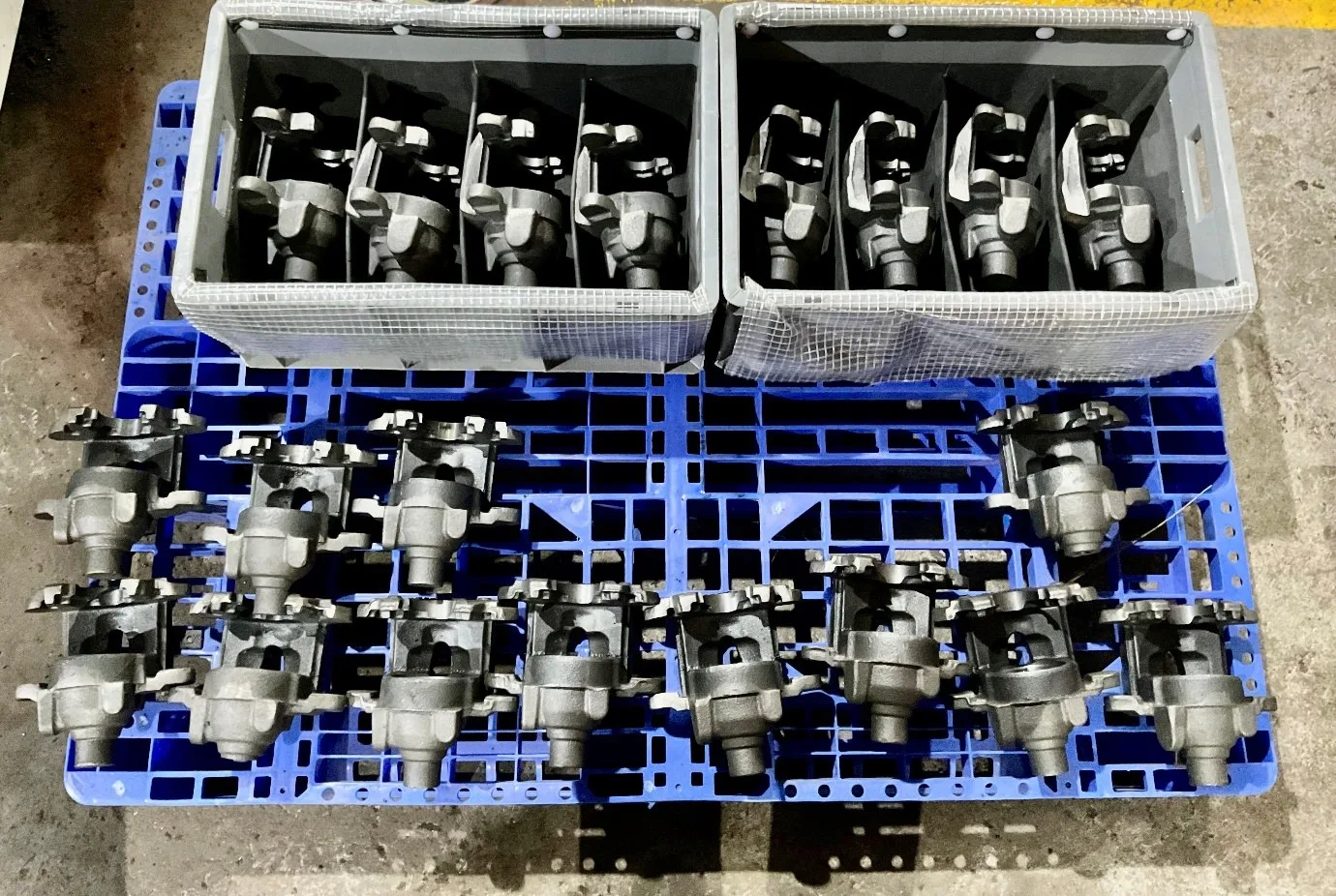
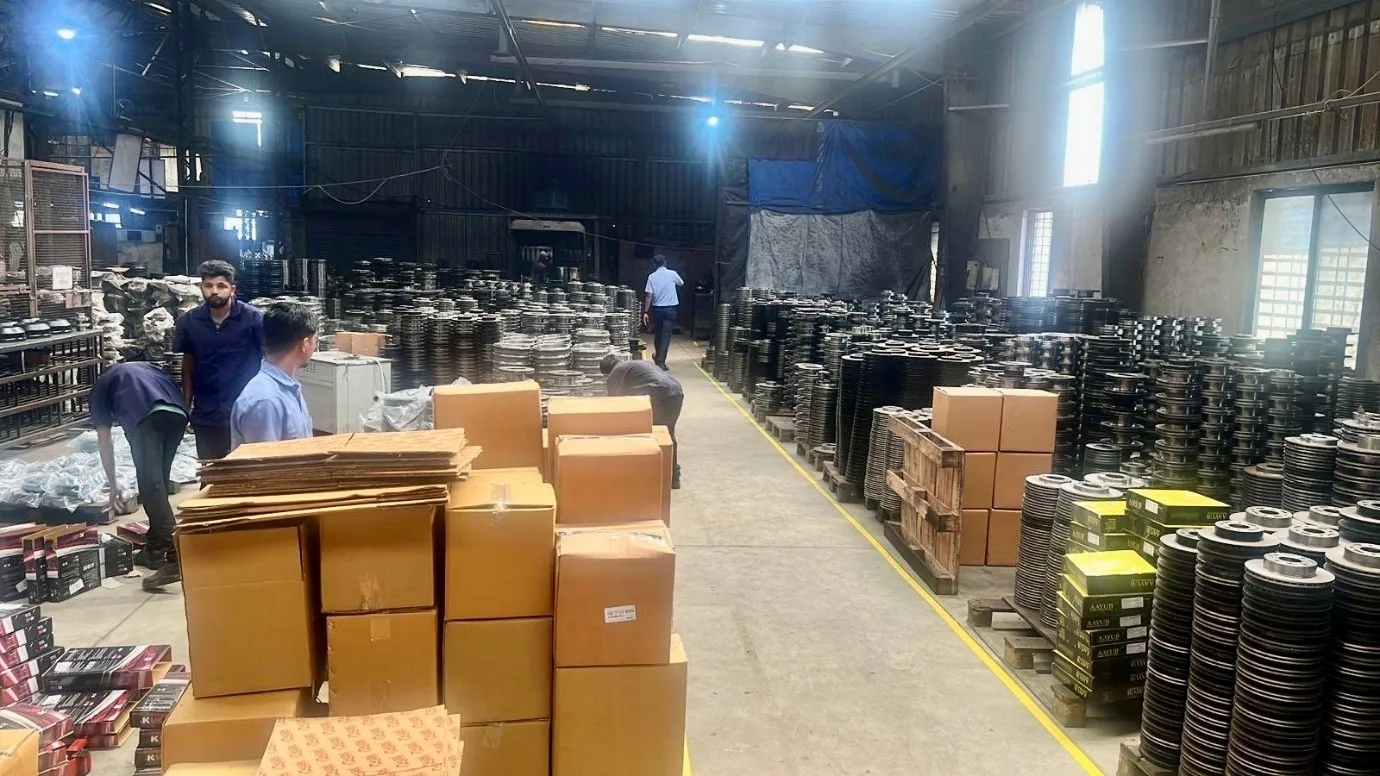
My team runs weekly checks on pattern wear, core alignment, and lot to lot consistency. We track SPC on critical dimensions, flag drift before it becomes scrap, and send you a status report every Friday that covers WIP, quality, tooling health, and shipping milestones. Container loading photos reach your inbox before the seal goes on. Every lot carries a traceability ID from pour to your receiving dock. Nothing ships until the dimensional report shows green. We do not wait for you to ask. We report because that is how a casting program should run.
What we do not doon a casting program.
Who we work best with.
What changes is volume. What does not change is who owns the outcome.
Drawing to full quote.One owner from intake to ship.
Three processes.
Unlimited geometries.
What is your annual volume?
What tolerance does the drawing need?
Which alloy family?
Sand casting is your fit.
Based on your inputs, sand casting gives you the lowest total cost per piece. Tooling investment is modest, lead time is shortest, and the process handles complex geometries well. For tighter surface finishes or thinner walls, gravity die casting is the runner up. Investment casting is available for stainless steel and specialty alloys.
Show me the full matrix instead
| Process | Typical Annual Volume | ISO 8062 As Cast | Typical Lead Time | Relative Tool Cost |
|---|---|---|---|---|
| Sand Casting | 100 to 50,000 pc | CT11 to CT13 | 45 to 60 days | Low |
| Gravity Die Casting | 2,000 to 100,000 pc | CT6 to CT8 | 55 to 75 days | Medium |
| Pressure Die Casting | 10,000 to 1,000,000 pc | CT4 to CT6 | 75 to 110 days | High |
What is sand casting and when do you use it?
Sand casting packs a sand mould around a pattern, pours molten metal in, and lets it solidify. Our India partners run this for grey iron, ductile iron, carbon steel, and aluminium at weights from half a kilo up to 500 kg per piece. As cast tolerances sit around CT10 to CT12 under ISO 8062, and we bring critical features tighter with post machining. Sand casting makes sense when you need medium to high volume structural or functional parts and you want to keep tooling costs manageable. Most of our automotive brake drum and flywheel programs start here.
What is investment casting and when does it beat sand casting?
Investment casting builds a ceramic shell around a wax pattern, melts the wax out, and fills the cavity with metal. The result is CT5 to CT7 tolerances, smoother surface finish, and the ability to cast thin walls and internal passages that sand moulds cannot hold. We run this for stainless steel valves, brass fittings, and precision components where machining after casting should be minimal. The tooling cost is lower than die casting but the cycle time per piece is longer, so it fits best at volumes of 500 to 10,000 pieces per month.
When does gravity die casting make more sense than sand?
Gravity die casting pours metal into a reusable steel mould under its own weight. No high pressure involved. The permanent mould gives you better dimensional consistency and surface finish than sand, and the tool lasts tens of thousands of cycles. We typically run aluminium LM series alloys and copper alloys through gravity die. It fits programs where you need repeatable quality at 1,000 to 50,000 pieces per month and the geometry is moderately complex. Tooling cost sits between sand patterns and pressure die moulds.
What volumes justify pressure die casting tooling?
Pressure die casting injects molten metal into a steel mould at high speed and pressure. You get tight tolerances, thin walls down to 0.8 mm, excellent cosmetic finish, and fast cycle times measured in seconds. The tooling investment is the highest of the four processes, so it pays off at volumes above 10,000 pieces per month. We run aluminium, zinc Zamak, and magnesium through pressure die for electronics enclosures, automotive housings, and lighting fixtures. If your annual volume justifies the tool cost, pressure die gives you the lowest per piece price of any casting process.
PPAP Level 3.
Every program.
No exceptions.
Nothing ships until the dimensional report shows green. Every active program runs APQP from drawing review through production launch. The full AIAG PPAP package lands in your portal before the first production shipment moves. Our partner certifications cover IATF 16949, ISO 9001, AS9100D, and the rest of the global standards procurement teams ask about. We wrote a longer note on this in our supply chain compliance insights piece.
Draft angles, wall thickness, parting line, tool access. We review and sign off before a tooling PO is issued. You approve the DFM findings in writing. If we see a problem, we tell you the same day, not three weeks into tool build.
Photos, dimensional reports, and material certs at every tooling gate. Shared to your portal. You approve before production starts. No surprises at PPAP because every step is in the open.
In-process sampling frequencies defined per characteristic. SPC Cpk target above 1.67 on safety and regulatory features. Living PFMEA maintained for the program life. We update it every time we learn something new.
Containment, root cause, corrective action, verification. We document and track all of it. Scrap and rework cost gets absorbed by the responsible facility, not you.
Tolerances that meet
your drawing,
not our guess.
| Feature | Sand Casting | Gravity Die | Pressure Die | Investment | Post Machining |
|---|---|---|---|---|---|
| As cast tolerance grade per ISO 8062. Investment casting per ISO 8062 CT class with shell process. | |||||
| Linear dimension | CT11 to CT13 | CT6 to CT8 | CT4 to CT6 | CT4 to CT6 | ±0.04 mm |
| Hole diameter | ±0.8 to ±2.0 mm | ±0.25 to ±0.5 mm | ±0.08 to ±0.15 mm | ±0.10 to ±0.20 mm | ±0.008 mm |
| Surface finish Ra | 12.5 to 25 µm | 6.3 to 12.5 µm | 3.2 to 6.3 µm | 1.6 to 3.2 µm | 0.8 to 1.6 µm |
| Angular | ±1° | ±0.5° | ±0.25° | ±0.25° | ±0.005° |
| Min wall thickness | 3.0 to 5.0 mm | 2.5 to 3.5 mm | 0.8 to 1.5 mm | 0.8 to 1.5 mm | per drawing |
| Typical weight range | 0.5 to 500 kg | 0.05 to 25 kg | 0.01 to 10 kg | 0.01 to 25 kg | — |
| Typical alloy family | Grey iron, ductile iron, steel | Aluminium LM, brass | Aluminium ADC12, zinc Zamak | Stainless 304/316, carbon steel, nickel alloys | — |
| Annual volume sweet spot | 500 to 50,000 | 1,000 to 50,000 | 10,000 to 500,000 | 500 to 10,000 | — |
Ranges reflect typical partner capability on standard machines. Tighter tolerances are possible on qualified programs with secondary operations. Post machining column assumes CNC grinding, turning, or honing on qualified features. Investment casting numbers assume single shot ceramic shell with 7 to 9 layer build.
The surface is part of the spec.
Six core finishes through our partner network. We sign off every finish sheet against your drawing callouts before parts ship. If you are weighing anodizing vs powder coating for an aluminium program, I wrote a longer note on which to pick.
Every heat tested.
Every lot traced.
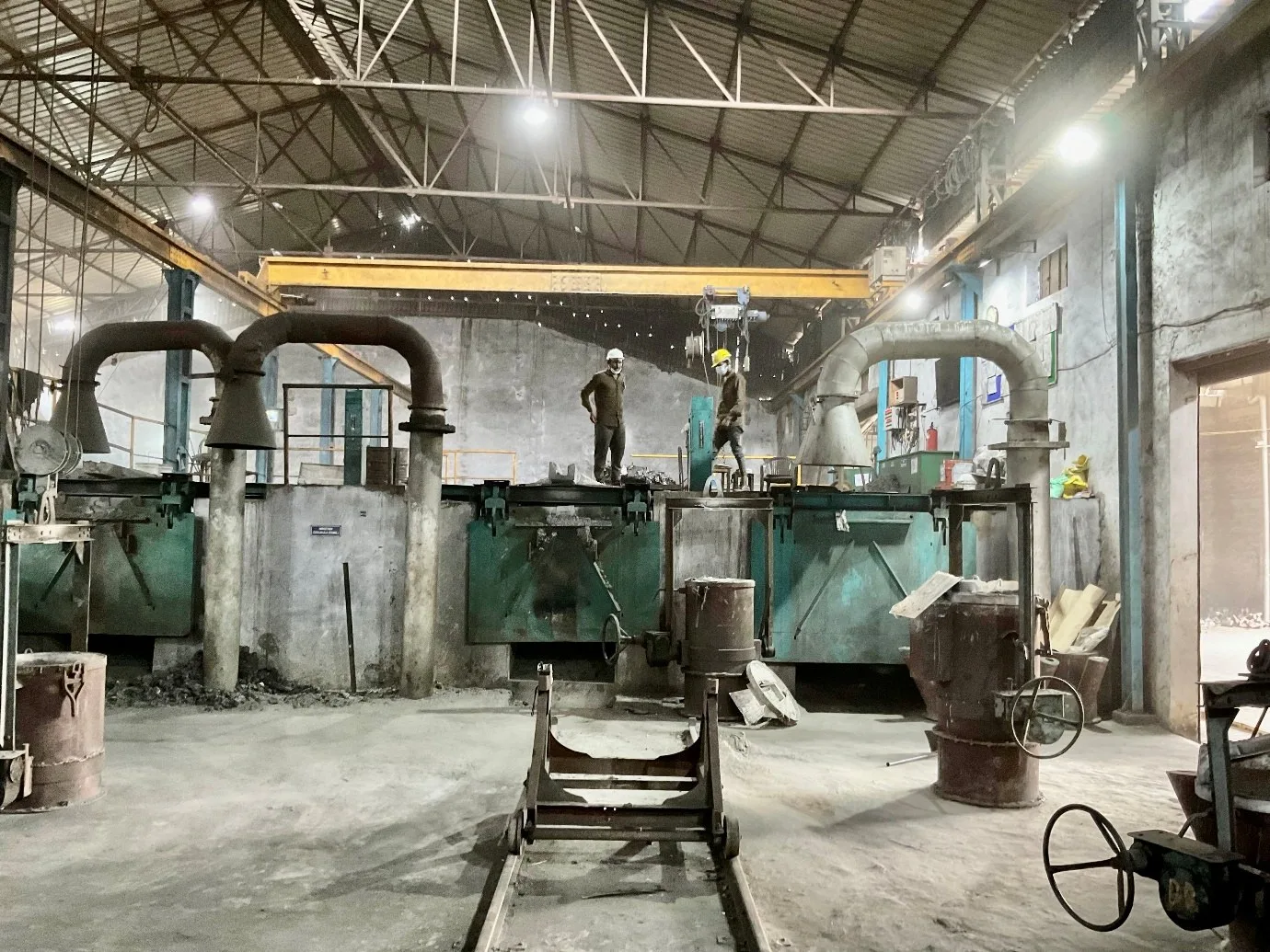
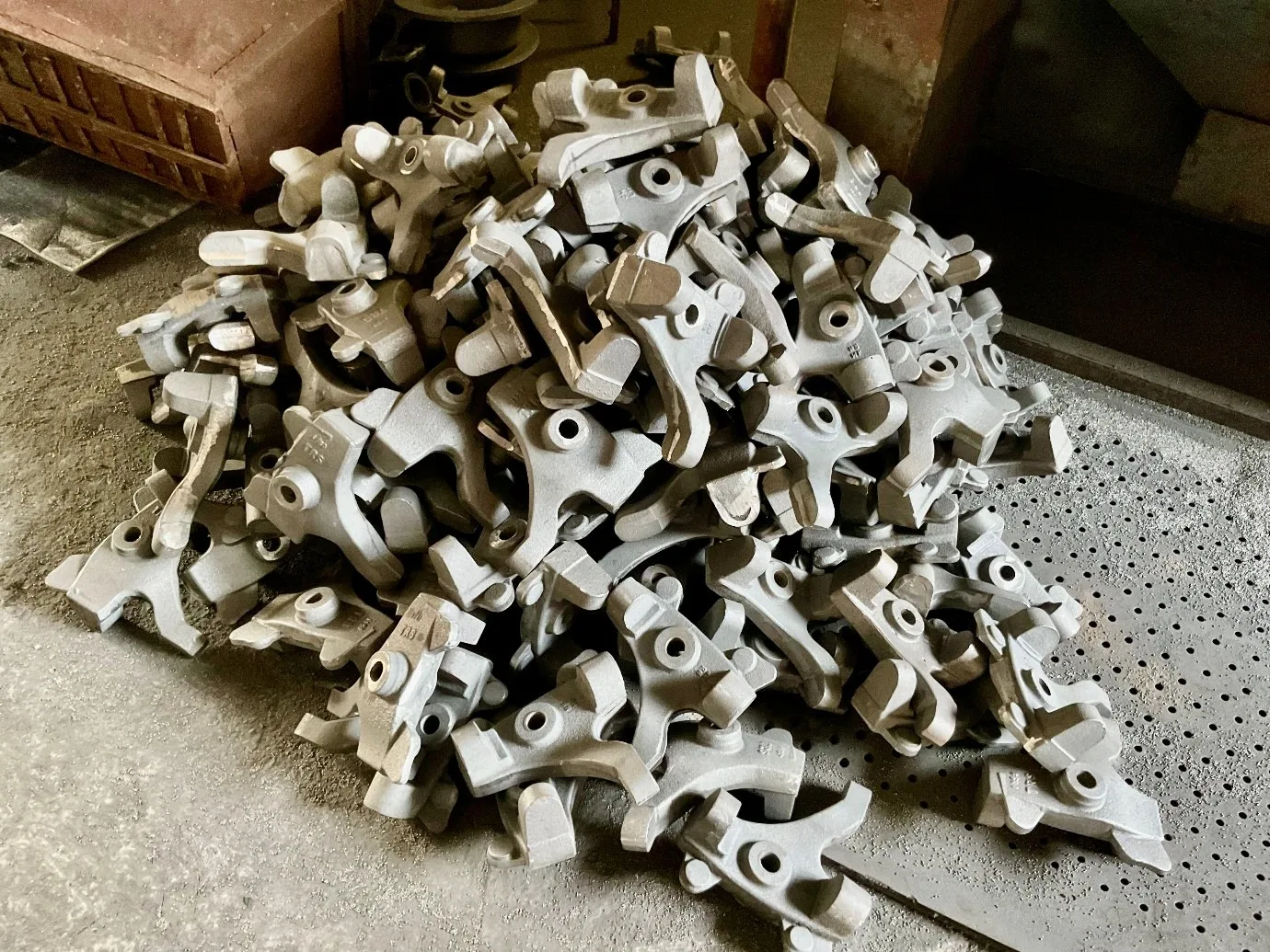
Casting fails in places forging never does. Porosity inside a wall you cannot see. A cold shut hiding under shot blast. A misrun that passes visual but fails pressure. Every defect on this page has cost a buyer somewhere a recall, a chargeback, or a quiet phone call from their best customer. We catch these on the floor, not at your dock.
- Gas porosity · degassing per heat, pour temp band
- Shrinkage cavity · riser geometry, chill placement
- Cold shut · pour rate, sprue design, mould preheat
- Misrun · metal temperature, mould permeability
- Inclusion · ladle treatment, filter screens
- Dimensional drift · pattern wear logged every 2,000 shots
- PPAP Level 3 default on all new programs
- Cpk ≥ 1.67 on critical characteristics
- SPC sampling every 30 minutes on critical features
- 8D within 48 hours on any escape
- Lot traceability retained 7 years minimum
10 handoffs.
Zero dropped batons.
Global casting programs fail at the handoffs. Between drawing and DFM. Between first article and production. Between factory gate and US dock. We put a named owner on every handoff and keep the evidence trail.
We are there.
In the foundry.
Before you ask.
Most India sourcing arrangements are run from a laptop in Cincinnati. Ours is not. Our team is physically present at partner facilities for tooling trials, first article inspections, and production launches. When something slips, we see it before you do. When quality holds, we have the evidence to prove it.
21 Indian manufacturing cities. 50+ qualified casting facilities. Real people on the floor making sure your drawing becomes a part that passes inspection the first time.
Inside our India network.
22+ cities. 470+ audited partners across casting, forging, CNC, sheet metal, plastics, and rubber. Hover any marker to see partner count and what runs there.
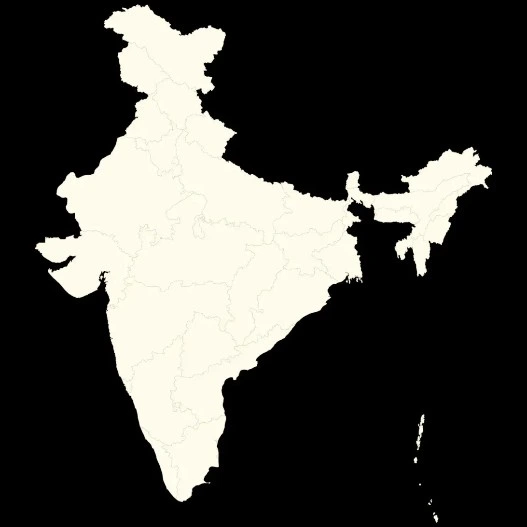
22+ cities · 470+ partners across casting, forging, CNC, sheet metal, plastics & rubber · 1,000 tons monthly casting capacity
Every casting quote you get from us includes the full landed breakdown. Factory price, export freight, US duty, inland to your dock. One total per piece. Not a factory number you then have to build on top of.
Two examples below are indicative. Actuals depend on alloy, weight, port, and contract freight rate at quote time.
Casting leaves India.
Lands at your dock.
One owner the whole way.
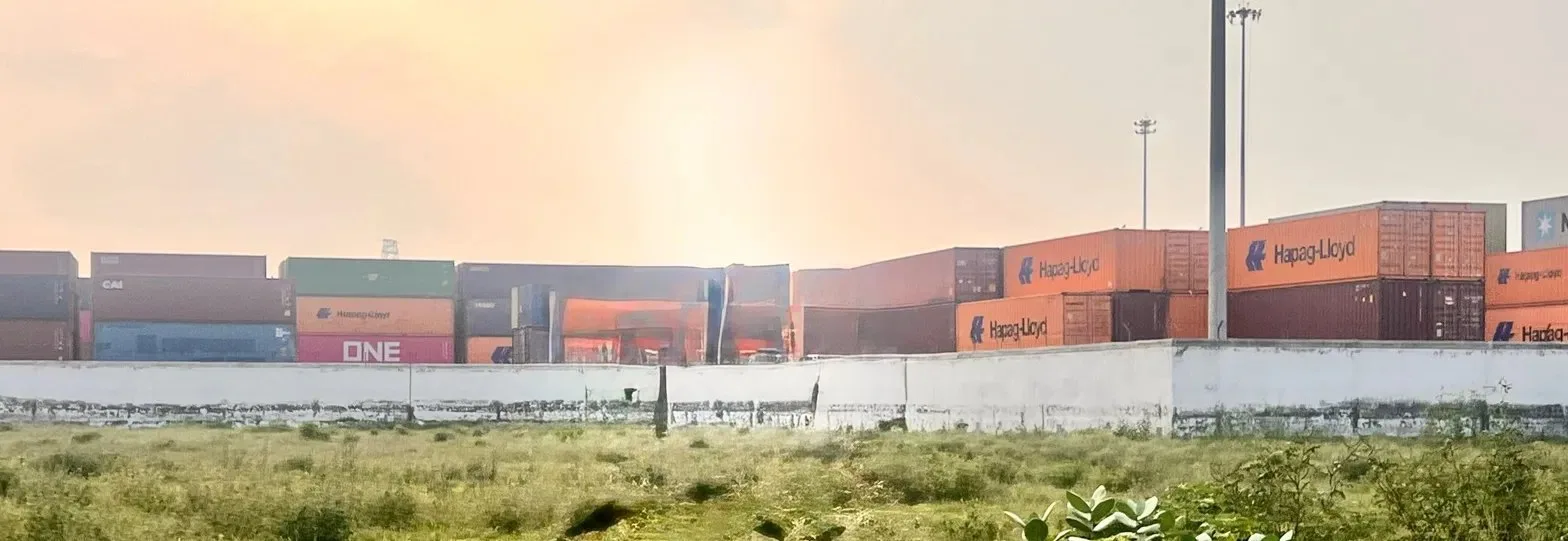
Most India programs hand off at the factory gate. We do not. Carrier booking, export docs, customs, duty, drayage, final mile. One contract. One owner.
your casting cost?
Capabilities Beyond Casting.
Nine industries.
One playbook.
Every industry has its own certs, its own regulatory pressure, its own drawing conventions. The handoff discipline stays the same. What changes is the technical documentation that moves with the part.
Agricultural casting parts
Camping and outdoor castings
Consumer electronics castings
Consumer product castings
Hardware and accessories castings
Let us handle your
casting project.
A live casting program where the handoff discipline showed up on the P&L. Every number is verified. From founder prior career programs before VIA INDIGOS.
Every alloy your application demands.
From standard grey iron to high performance cobalt alloys. We source and qualify the exact material your drawing calls out. Not what is convenient. What is correct. Every heat is certified before it goes into the casting process. If you are picking between aluminium alloy grades like LM6 vs LM25 for a casting program, we wrote a longer note on which to pick.
"Your material not listed here? We will source it or adapt our process to match your specification exactly."
Every heat is spectro-tested before pour against the alloy spec. Material certs by lot ID. Exotic alloys sourced through 12 qualified material houses across Gujarat and Maharashtra. ASTM, EN, and IS equivalents accepted on the drawing.
Notes from the foundry floor.
Three pieces from our blog. Written for procurement and engineering teams who want plain-English answers, not brochure language.
Compliance is the backbone of trust.
IATF 16949, ISO 9001, AS9100D. What the certifications mean, what they actually prove, and what laser focus on compliance buys your program when something goes wrong.
Read the post →Aluminium alloys: types, properties, applications.
LM6, LM25, A380, 6061, 6063. Which alloy to pick when. Why aluminium is the superhero of modern manufacturing, and what tradeoffs you make when you cast it instead of forging or extruding it.
Read the post →Anodizing vs powder coating: how to pick.
Two of the most common aluminium finishes, each with very different durability and aesthetic profiles. Which to pick depends on application, environment, budget, and what your engineering team has spec-ed before.
Read the post →The questions your procurementteam will ask.
Casting explained.
Written by Mandeep Singh, Co-founder, VIA INDIGOS · Last reviewed May 2026
Your drawings are
worth a free quote.
Send us your drawings. You get a full landed cost breakdown, tooling timeline, process recommendation, and PPAP scope. One contact from intake to ship. No commitment required.
30 minutes. No obligation. Bring your drawings.