Contract Forging Manufacturers and Suppliers · India
PRECISION FORGING
PROGRAMS FROM INDIA
From hot upset to ±0.025 mm post machining. One accountable owner from drawing to your US dock. Zero Section 301 tariffs on our China Plus One programs.
Forging volume runs through India today. We program-manage in Mexico and Vietnam too, when buyers need a multi region resilience plan.
If you have ever sourced forgings from anywhere in the world, you know the routine. Email at 9 in the morning. No reply. Email again at 4. Maybe an answer Tuesday. We built VIA INDIGOS so the fifth email never lands. Because one missed handoff on a forging program can cost you three weeks of production line downtime.
This is where the chasing stops. One owner. Drawing to dock.
Every handoff, every NDT report, every heat treatment cycle, every partner selection, every tooling milestone, every customs filing sits under one accountable owner on our side. That is the entire reason VIA INDIGOS exists.
Tired of those emails?
Send us your drawings. We send back a full landed cost, a tooling timeline, and one named owner on your forging program.
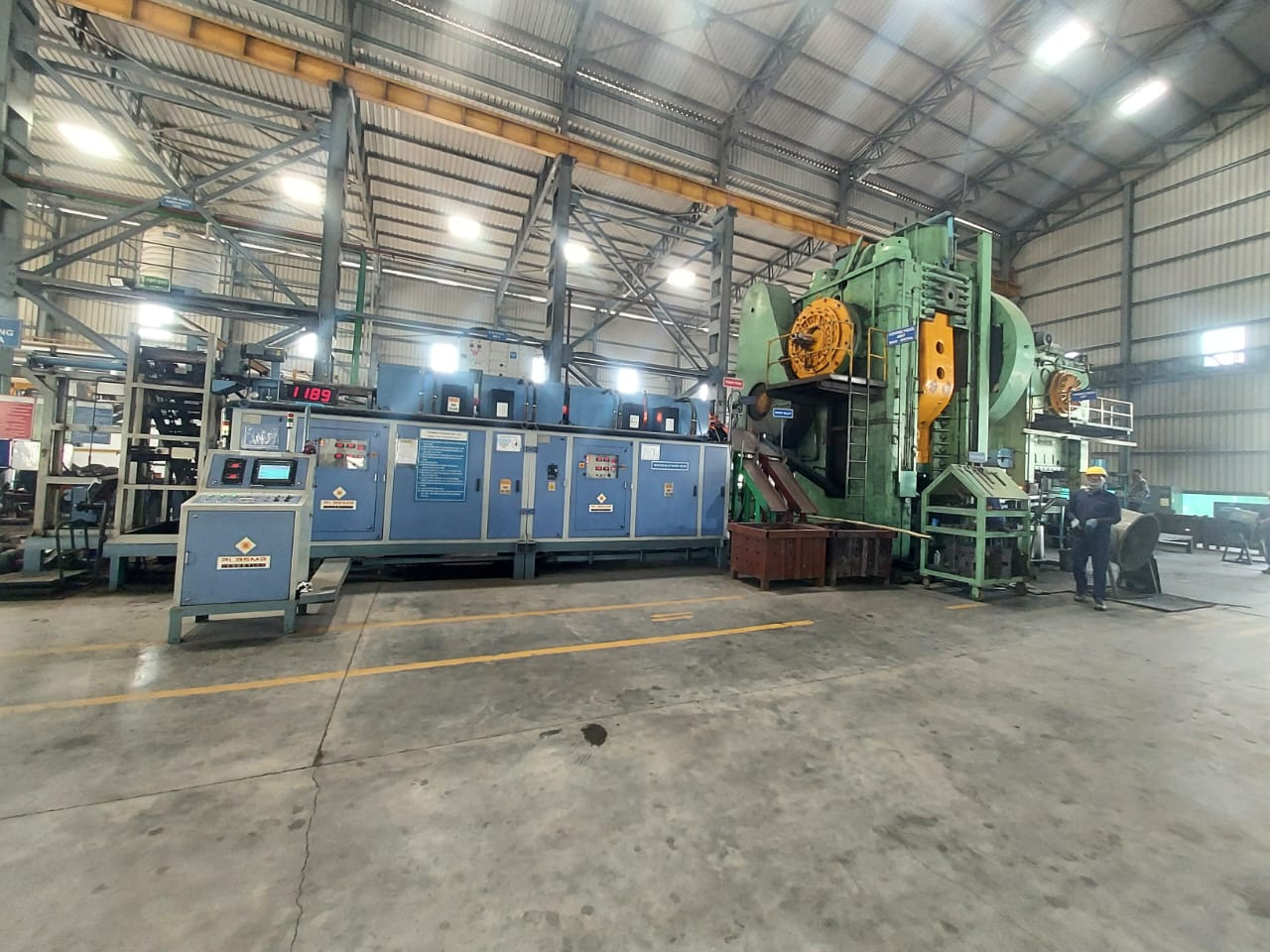
If you have ever sourced forgings from anywhere in the world, you know the routine. Most buyers spend their week chasing updates instead of doing their real work. We built VIA INDIGOS to give that time back. Most forging programs need CNC machining, heat treatment, and surface finishing to get to your dock, and we run the whole chain under one owner. 33+ forging partner facilities across 22+ Indian cities, part of a 470+ facility audited partner network. Combined forging network capacity of 2,000 tonnes per month. One owner on your program from drawing intake through US dock delivery. Whether your monthly volume is 200 pieces or 20,000, we set up the program the same way.
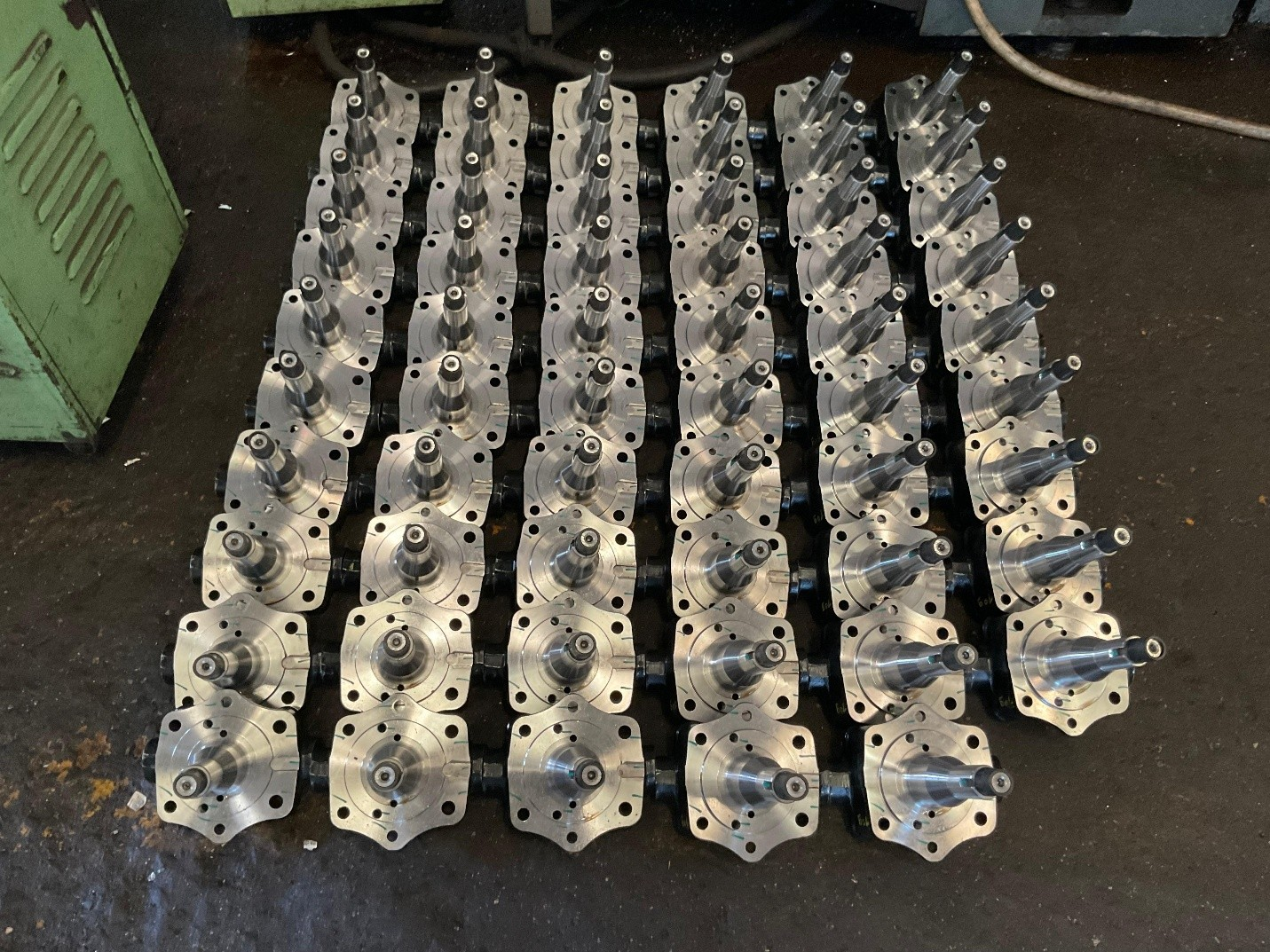
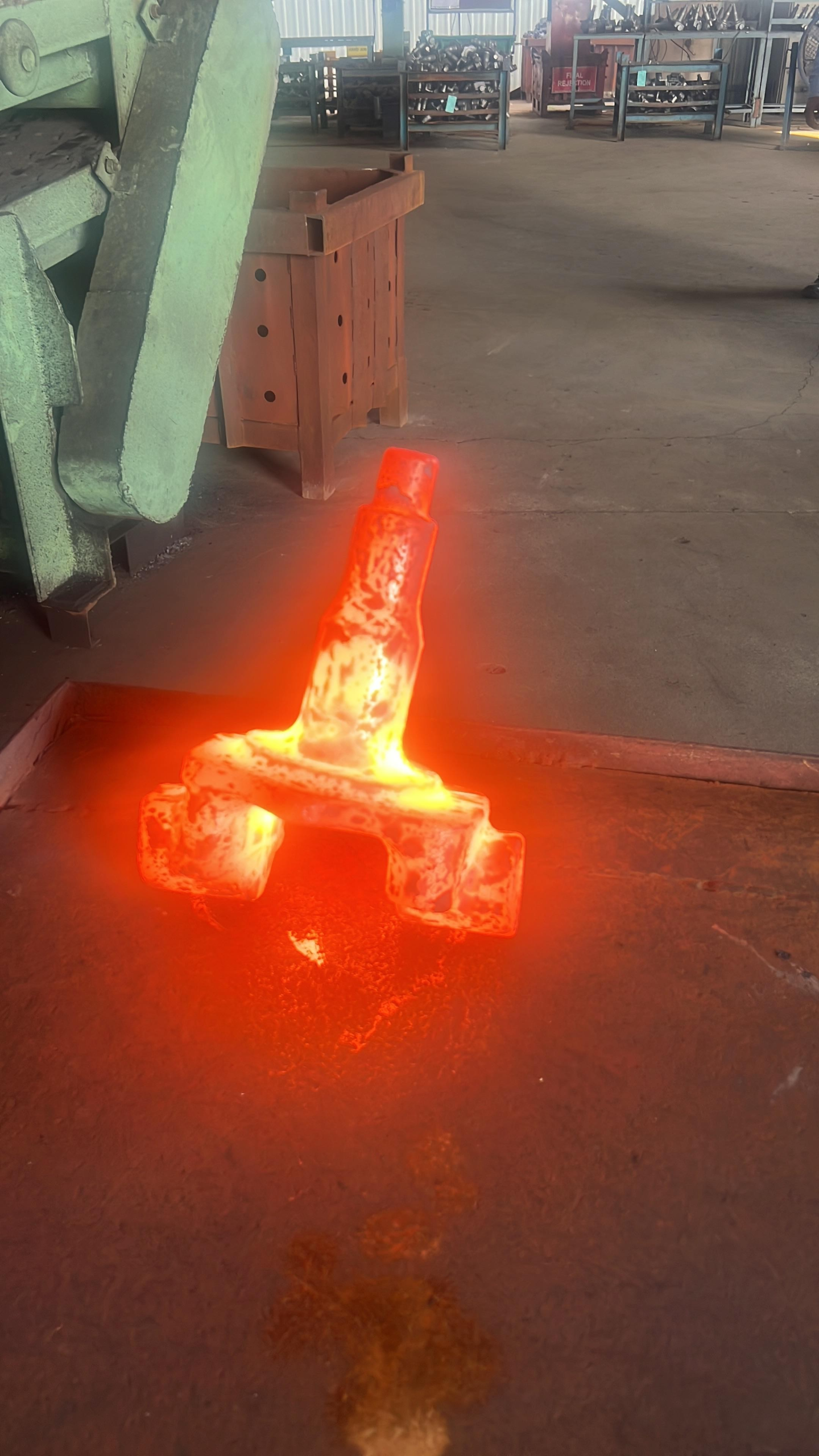
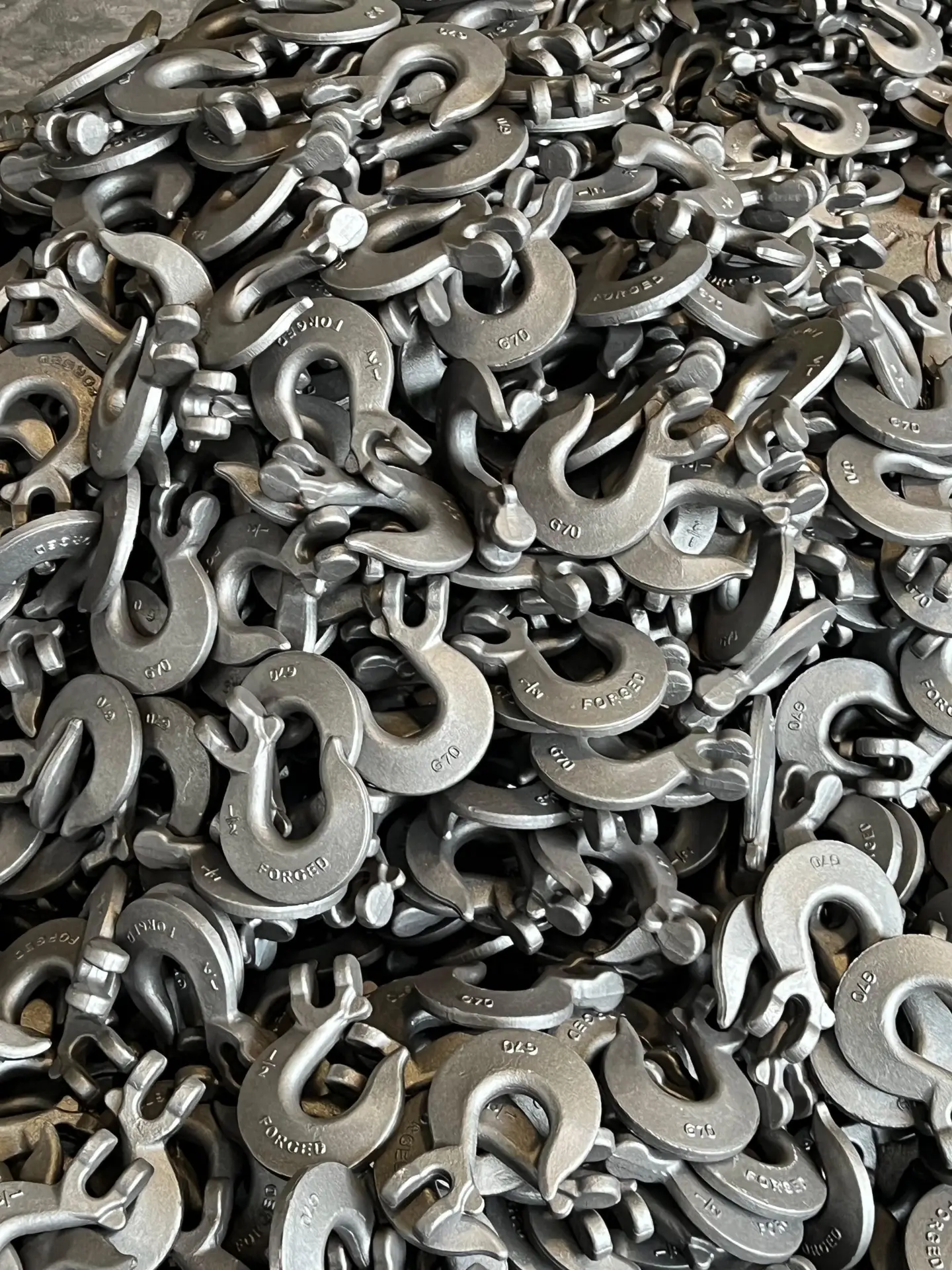
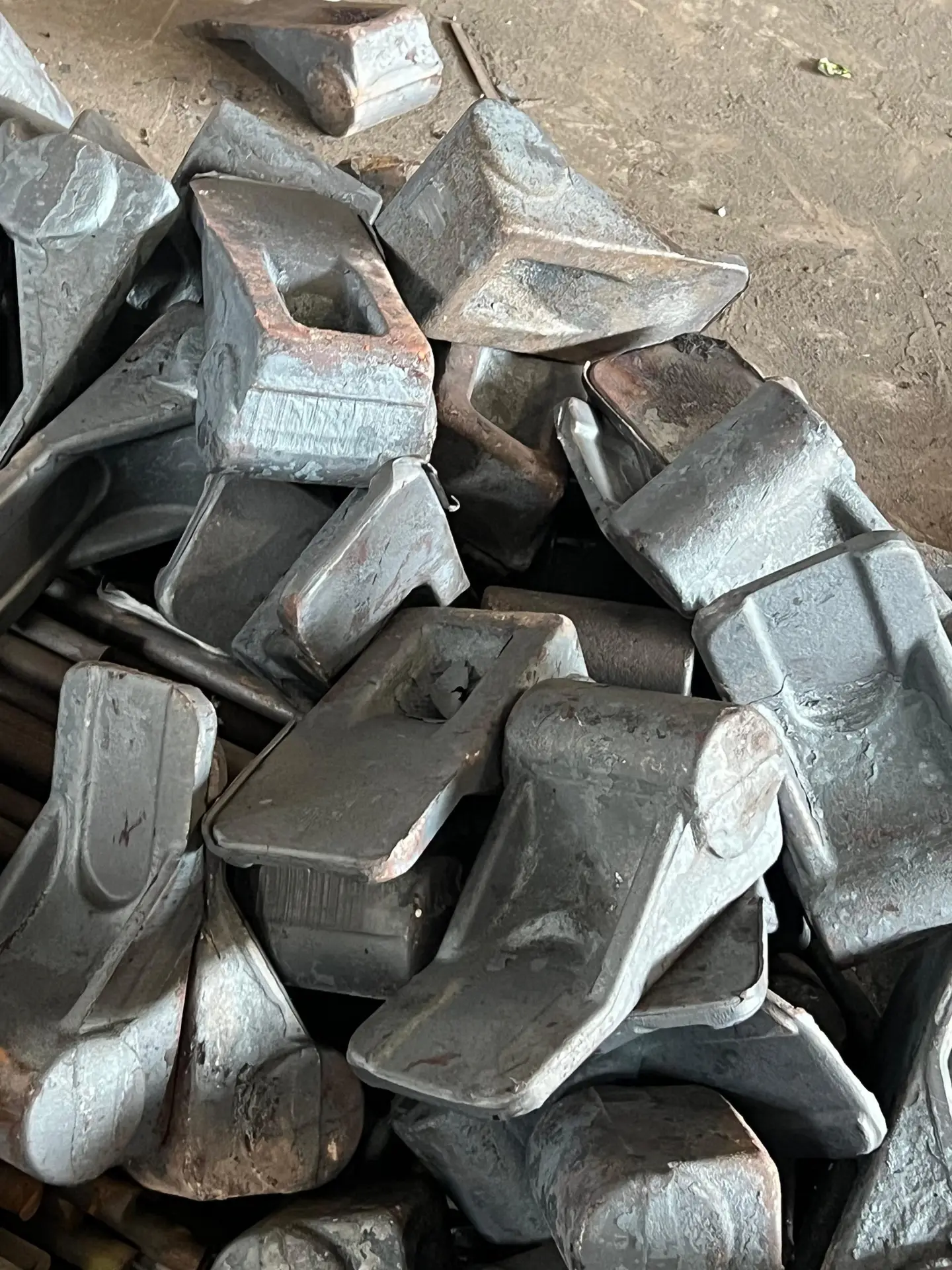
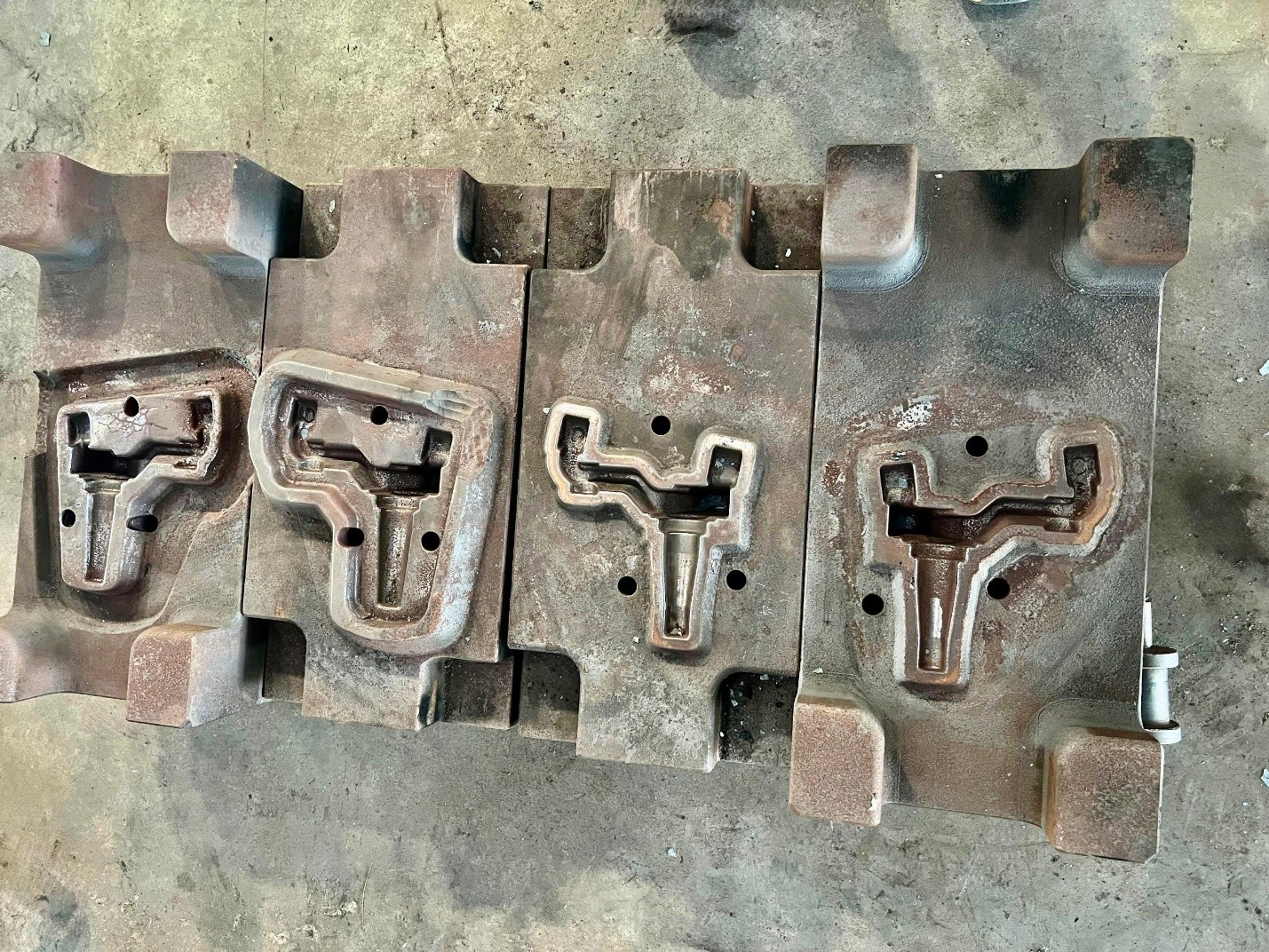
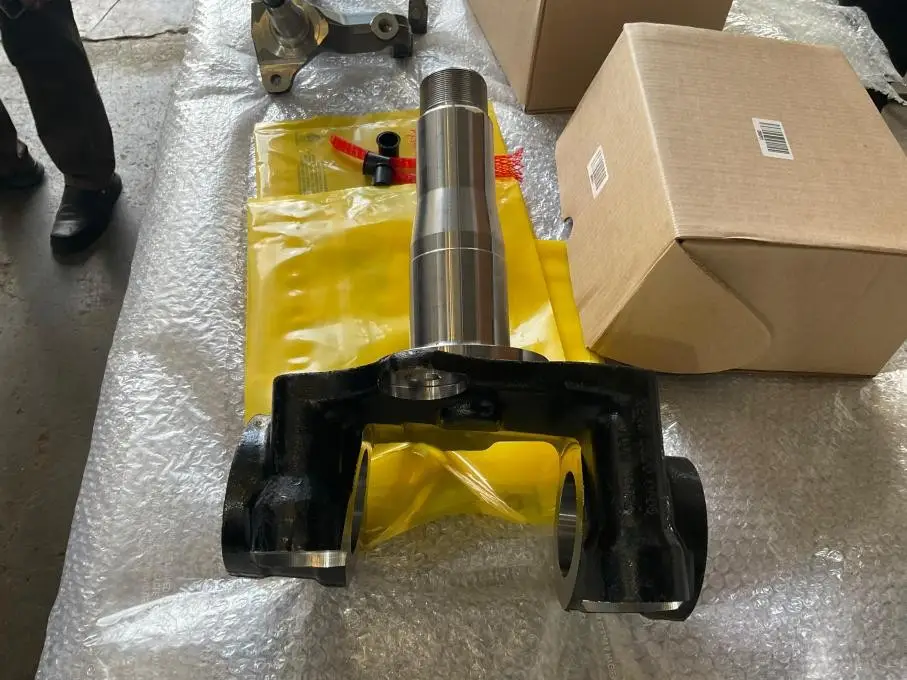
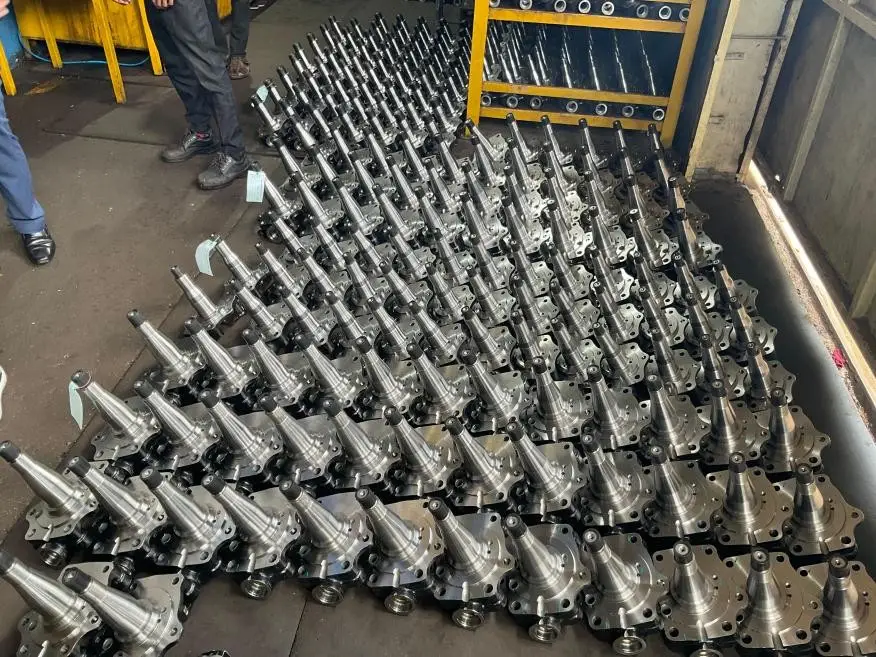
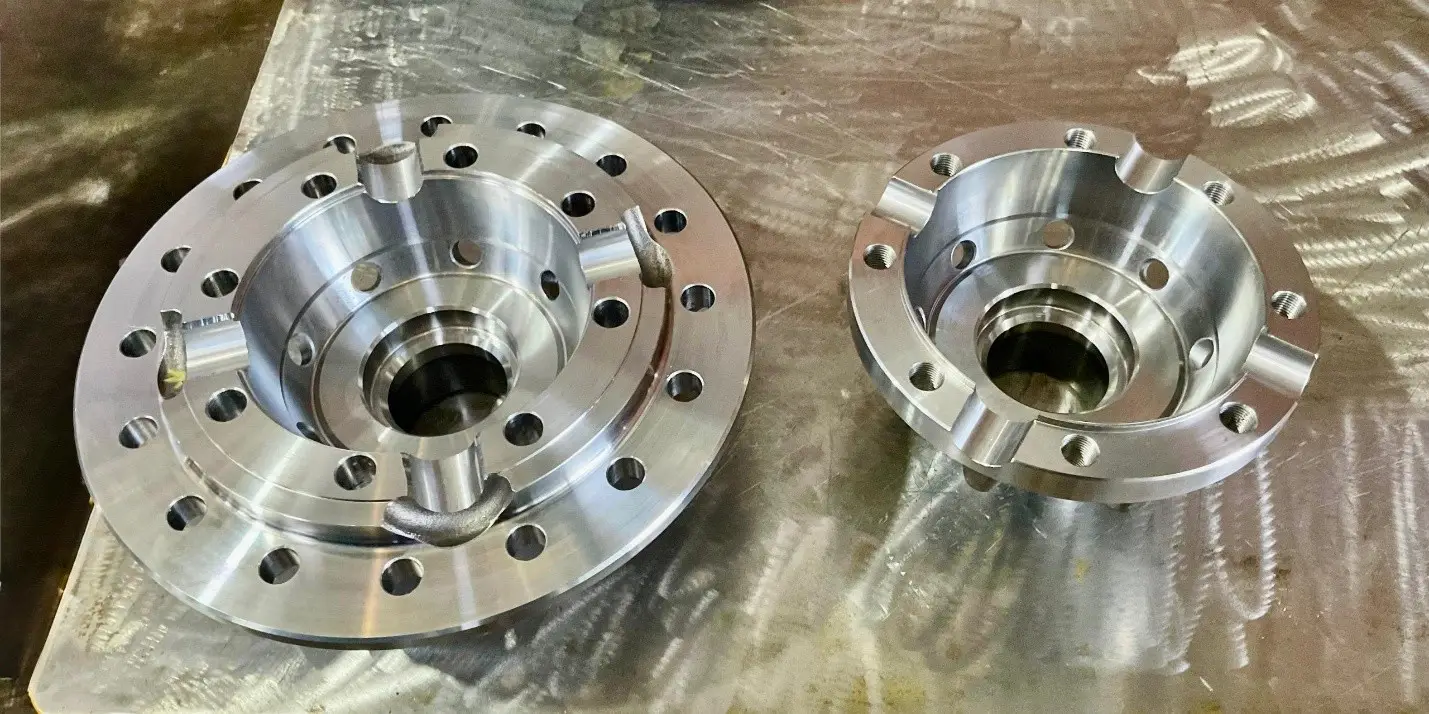
Steering KnuckleAlloy Steel · Pune · 6,000 pc batch
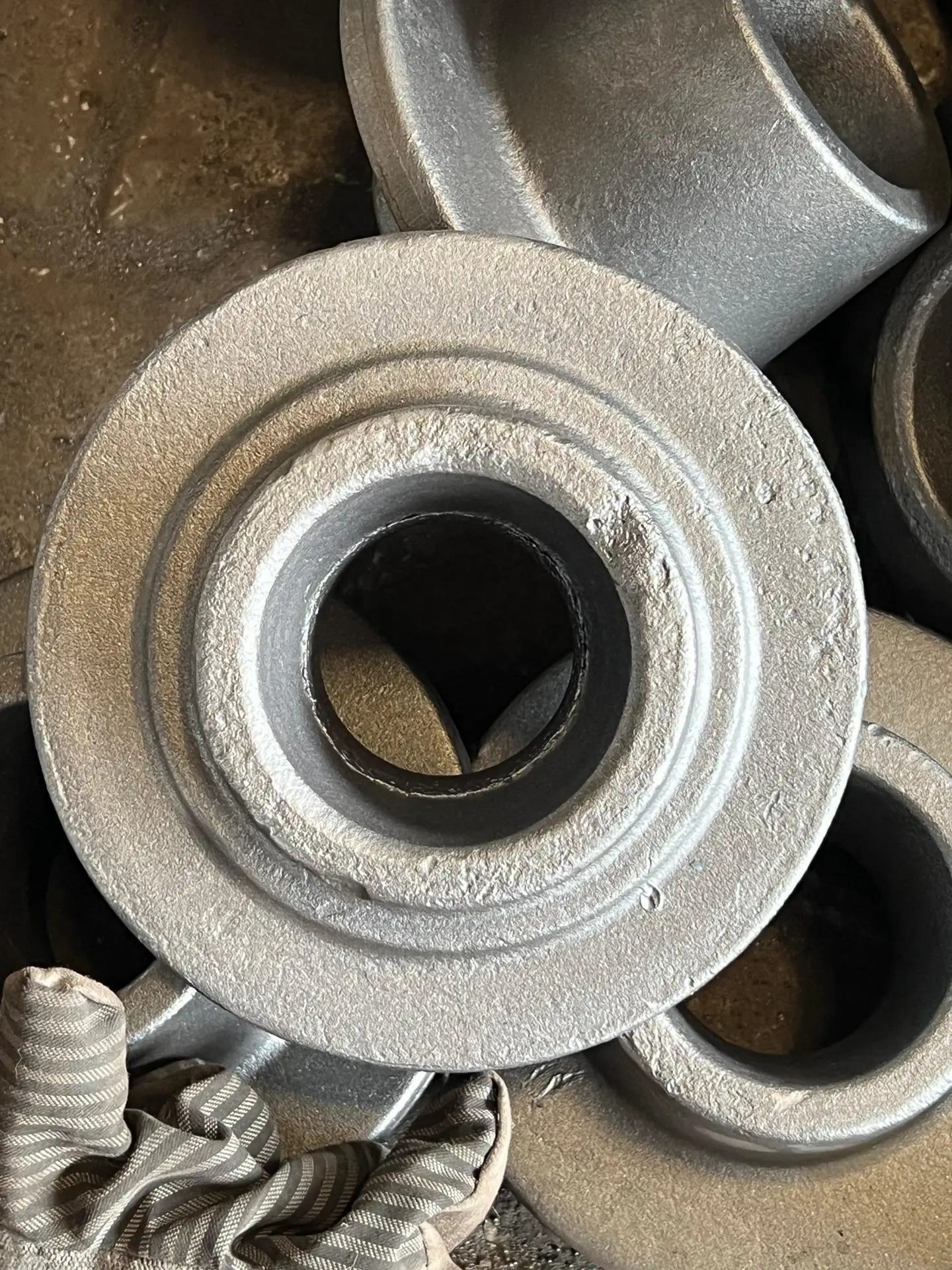
Crankshaft4140 Steel · Coimbatore
Hot Forged KnucklesIn Production · Alloy Steel · Pune
Before the first PO
After production starts
Before the first PO
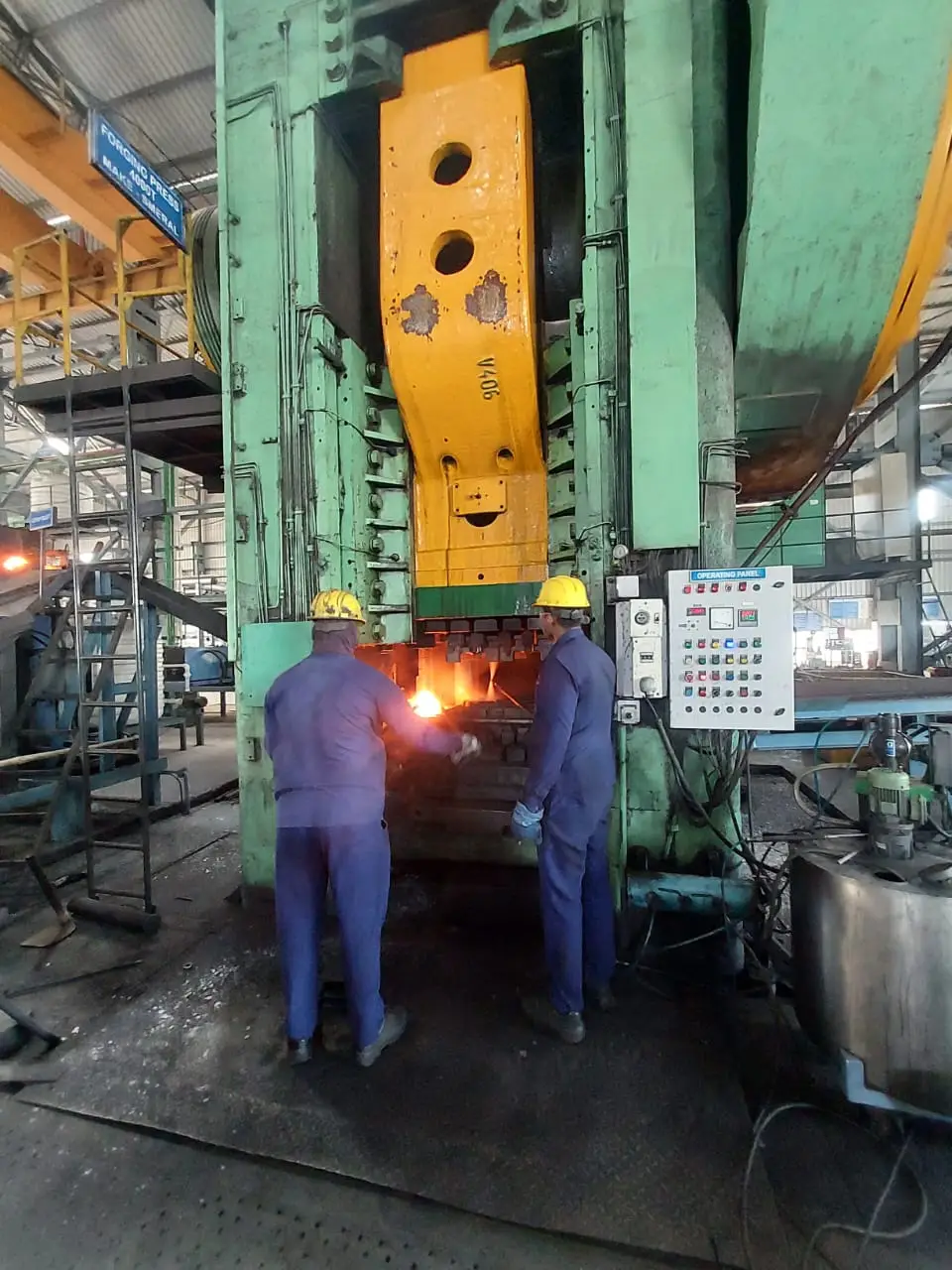
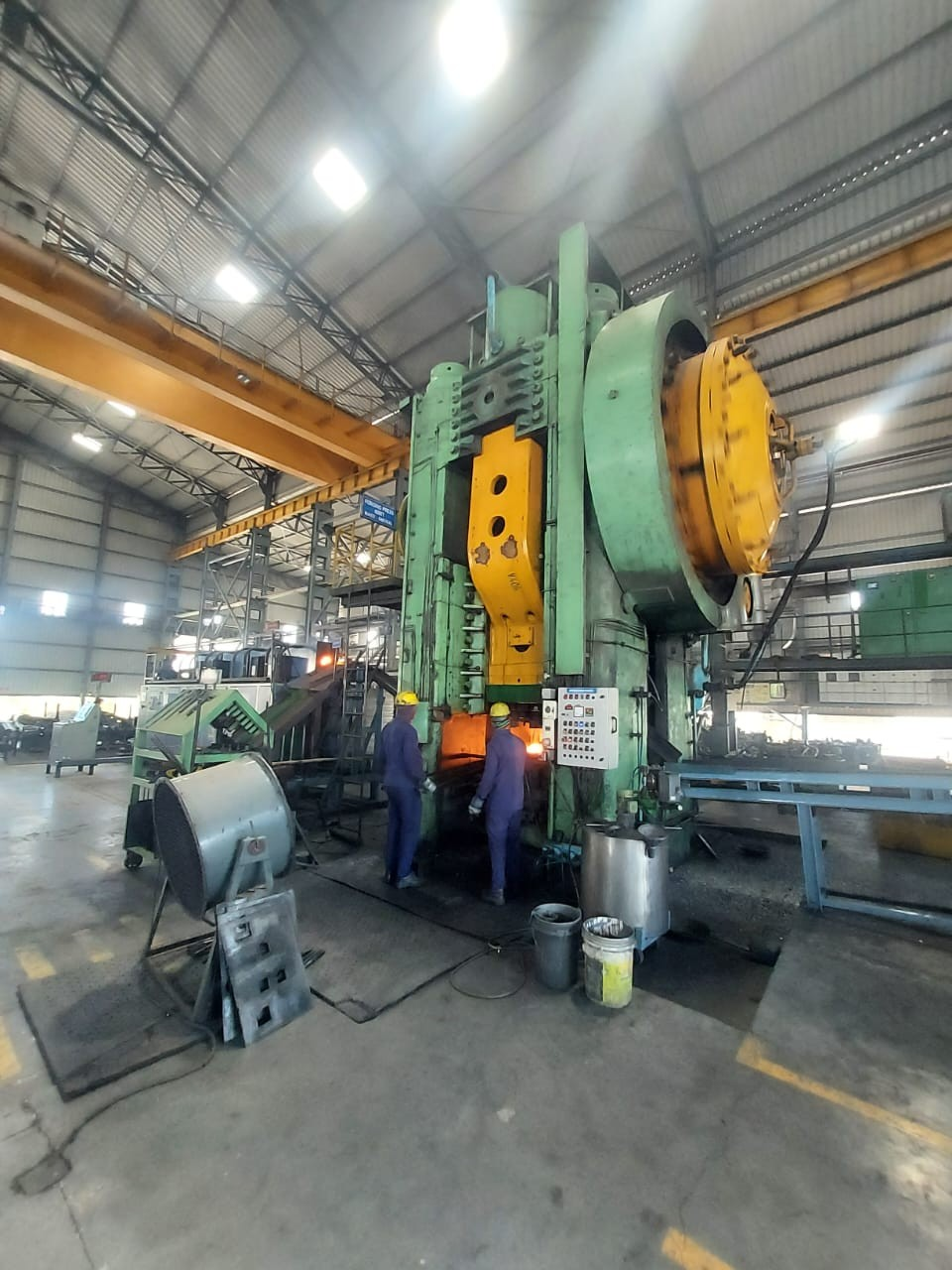
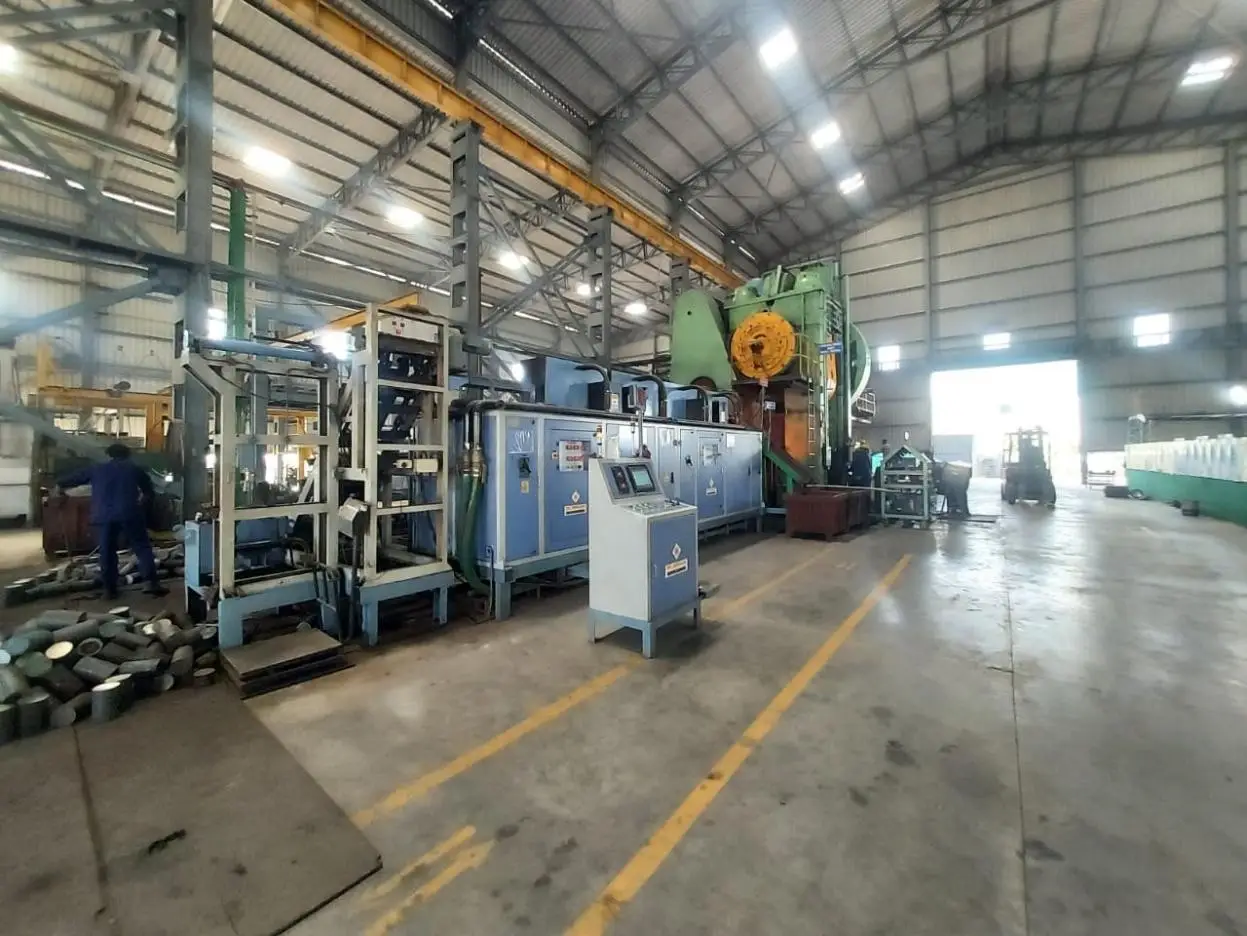
I walk the press floor before a single PO is placed. We check press tonnage rating against the part footprint, billet preparation, induction heating uniformity, and the lab that will run your spectro analysis and mechanical tests. We pick partners who run heat treatment and CNC secondary operations under their own roof, on their own QA team, on their own clock. One roof, one floor, one accountable team for the full forging chain. DFM happens before a die is cut. T0, T1, and T2 validation gates come with photographic evidence, dimensional data, grain flow inspection, and a written verdict from our quality lead. Boots on the ground, every step of the way.
After production starts
My team runs weekly checks on die wear, shot count, and heat treatment cycle compliance. We track SPC on critical dimensions, hardness traverse data on every heat treated lot, and lot to lot consistency on critical fatigue zones. We send you a status report every Friday that covers WIP, NDT results, tooling health, and shipping milestones. Container loading photos reach your inbox before the seal goes on. Every lot carries a traceability ID from billet to your receiving dock. Nothing ships until the dimensional report and the NDT report both show green. We do not wait for you to ask. We report because that is how a forging program should run.
Where the chain breaks. And where we hold it.
Most contract manufacturers worldwide drop the ball at the handoff between two teams. We hold every one. Ten real stages, drawing to your dock. No sub-step skipped, no handoff left to chance.
01
Drawing intake + DFM
Break. Most suppliers quote in 7 days without a DFM pass. You find draft issues at T1.
Hold. We run DFM inside 48 hours. Questions by email, not silence.
Hold. HS code locked at quote. Broker briefed. Container photos sent before seal.
Ten handoffs · One owner · Drawing to dock.
What forging adds
Three things forging earns you that casting cannot.
A forging is not a casting with extra steps. The metal grain is aligned, not poured. The microstructure is verified, not assumed. Three controls separate a forging program that survives the field from one that ships the field a warranty claim.
01 · Grain flow
Grain flow you can see.
Heat plus pressure aligns the metal grain along the load path. Cast metal has random grain. We verify alignment on first article using macro-etch per ASTM E381 because a forged knuckle that takes three times the fatigue cycles of a cast one is not a marketing claim, it is what keeps the part in the field for 250,000 miles.
02 · Heat treatment
A heat treat cycle, not a finish.
Quench and temper. Normalize. Anneal. Case harden. Each cycle changes the steel inside, not just outside. We sign the cycle with the lab thermocouple log and a hardness traverse on the critical zone. Because a forging that left the press correct can leave the heat treat oven wrong, and the part will not tell you which one happened until it fails.
03 · T0 die gates
No die signs off without a gate.
T0 first samples. T1 dimensional. T2 sign off. Each gate carries a checklist, photos of the cavity, and the shot sample side by side with the print. Because a die that runs without a gate review is a die that fails at shot 4,000, and we would rather catch it on the bench than on your line. NDT, MPI, and dimensional reports run on every production lot before it ships.
FIVE FORGING PROCESSES WE RUN FROM INDIA.
Closed die, open die, drop hammer, hot upset, and cold forging all run through the same VIA INDIGOS playbook. One owner from drawing to dock. One status update every Friday. One India network of 33 plus audited partner facilities behind every program.
Closed die
Closed die forging
The workhorse for steering knuckles, crankshafts, con rods, axle beams. Net shape with consistent grain flow along the load path. Tolerances from plus minus 0.4 mm as forged down to plus minus 0.025 mm post machining.
Weight range
0.2 to 80 kg
Press tonnage
800 to 4000 t
Open die
Open die forging
For shafts, blocks, rolls, and rings where the part is too big or the volume too low for closed die. Long lengths and heavy sections. Verified grain orientation through controlled draw and upset cycles.
Weight range
10 to 1500 kg
Length max
6 metres
Drop hammer
Drop hammer forging
Steam, air, or counterblow drop hammers for parts where impact energy and rapid deformation deliver better die fill on intricate geometries. Strong fit for hand tools, cutlery blanks, and aerospace fittings.
Hammer energy
25 to 200 kJ
Weight range
0.05 to 25 kg
Hot upset
Hot upset forging
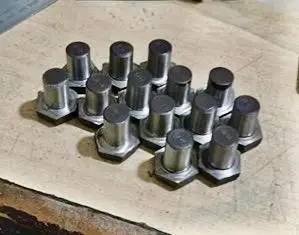
Headers, flange ends, valve stems, and bolt blanks. Localised heat and a horizontal forge upset the bar end into the die cavity. Material savings versus turning from bar stock are typically 30 to 50 percent.
Bar diameter
12 to 150 mm
Cycle
800 pc per hr
Cold
Cold forging
Below recrystallisation temperature for tight tolerance and fine surface finish straight off the press. Common for fasteners, pinions, bearing rings, and hardware. Strain hardening adds strength without heat treatment for many alloys.
Tolerance
±0.05 mm
Surface
Ra 0.8 µm
Tooling discipline
T0 . T1 . T2 . NO DIE SHIPS WITHOUT A GATE.
Three gates, three sign offs, photo evidence at every step. We do not move a die forward unless the gate before it is closed. A die that runs without a gate review is a die that fails at shot 4000, and we would rather catch it on the bench than on your line.
T0
Gate one
Cavity ready
The die is machined, polished, and inspected on the bench. Cavity geometry compared back to the print. Draft angles, fillet radii, and parting line alignment all signed off before any heat touches the steel.
3D scan of cavity vs CAD print
Draft angle and fillet check
Polish grade verified
Photo set archived in the project file
T1
Gate two
First sample dimensional
The first hot shot off the die. Full dimensional report on every callout. Macro etch on a sectioned sample to verify grain flow. Hardness traverse on critical zones. We send you the report before the next shot fires.
Full dimensional inspection report
Macro etch per ASTM E381
Hardness traverse on critical zones
Buyer engineering call before T2
T2
Gate three
Production sign off
PPAP Level 3 package complete. PSW signed by the buyer. Capability studies on critical features above Cpk 1.67. Lot traceability live. Production releases only after the buyer has the full PPAP package in hand.
PPAP Level 3 package signed off
Cpk above 1.67 on critical features
MSA on the inspection method
Lot traceability ID assigned
From your drawing to your dock
NINE STEPS. ONE ACCOUNTABLE OWNER.
A forging program that runs across two countries, three suppliers, and a dozen handoffs is going to break unless someone owns every step. Below is what your program looks like under one VIA INDIGOS owner, end to end.
01
Drawing intake
PDF, STEP, IGES. NDA signed first.
02
DFM review
Draft, parting line, weight, machinability.
03
Quote with TCO
Part, tooling, freight, duty, all in.
04
Tooling build
T0 cavity, polish, bench check.
05
PPAP gates
T0, T1, T2 with photo evidence.
06
Production run
SPC live. Friday status report.
07
QC and NDT
MPI, UT, dimensional, hardness.
08
Container loading
Photos, lot IDs, paperwork pack.
09
US dock delivery
JIT or warehouse. Door to door.
One accountable owner. Every step. Every program.
The numbers we run by
FORGING QUALITY CONTROL.
If a metric does not have an owner, a target, and a data source, it is not a metric. Below is the scoreboard we run on every forging program, refreshed weekly, surfaced in your Friday status email.
Submission
Level 3
PPAP every program
Full PSW with capability studies, MSA, and dimensional report.
First pass
≥ 95%
FPY at PPAP
Parts accepted at first submission divided by parts submitted.
On time
≥ 98%
OTD to dock
Promised date versus delivered date at customer dock.
Defect rate
< 500 ppm
Incoming defect
Buyer incoming inspection rejects per million parts shipped.
Capability
Cpk ≥ 1.67
Critical features
Process capability index on every customer flagged critical dimension.
Cost of poor quality
< 1%
COPQ of spend
Total scrap, rework, returns, and warranty claims as percent of program spend.
Traceability
100%
Lot to billet
Heat number traced from steel mill through forge, heat treat, machining, to your dock.
NDT coverage
100%
Critical surfaces
MPI on every critical surface. UT on every cross section over 25 kg.
Submit your RFQ
Drawing to full quote. One owner from intake to ship.
Upload your drawings. We review, run DFM, and return a full landed cost breakdown with tooling timeline and PPAP scope. You get one contact from intake to ship.
What we do not doon a forging program.
We are not a marketplace. We do not match you with a supplier list and call it done. Every forging partner on your program is selected, audited, and managed by our team on the ground in India.
We do not hand you a quote and disappear. From drawing intake through dock delivery, one owner stays on your program. Every handoff is documented. Every Friday status update is sent without you asking.
We do not send your parts to a press we have not personally walked. Our team audits the floor, the dies, the heat treat ovens, and the tool room, the SPC charts, and the people before a single PO is placed.
We do not use your drawings, tooling, or specs to make parts for anyone else. Your design stays your design. Your die stays your die. Tooling ownership transfers to you on full payment, in writing.
We do not promise grain flow without proof. Macro etch per ASTM E381 on first article. Hardness traverse on every heat treated lot. If we cannot show it, we will not ship it.
We do not claim to own the press. We own the outcome. The lot ID, the Friday update, the PPAP package, and the part landing on your dock on time. That is the whole job.
Five processes · one playbook
Five forging processes. Unlimited geometries.
Tell us three things and we recommend the right forging process for your part. Closed die, open die, drop hammer, hot upset, or cold forging. Engineered for your geometry, your volume, and your tolerance.
01
What is your annual volume?
02
What is the part weight range?
03
What tolerance does the drawing call for?
Process recommendation
We recommend closed die forging.
Based on your answers, closed die forging is the right fit. Net shape with consistent grain flow, repeatable to plus minus 0.025 mm post machining, 4140 and 4340 alloys readily stocked. We can quote this in 5 business days with full landed cost.
Most India sourcing is run from a laptop in Cincinnati. Ours is not. Our team is physically present at partner facilities for tooling trials, T1 first samples, heat treat sign offs, and production launches. When something slips, we see it before you do. When quality holds, we have the photo evidence to prove it.
22+ Indian manufacturing cities. 33+ qualified forging partner facilities. Real people on the floor making sure your drawing becomes a part that passes PPAP the first time.
22+ cities.33+ audited forging partners across closed die, open die, drop hammer, hot upset, and cold forging. Hover any marker to see partner count and what runs there.
Pune 8+ partners
Closed die · steering knuckles · automotive tier 1
Every drawing carries a tolerance. Every tolerance carries a process. Below is what each forging process can hold as forged, and what we can deliver after a finishing pass. Numbers are typical for VIA INDIGOS programs and assume standard ASTM A788 carbon and alloy steels.
Forging process
Typical materials
As forged tolerance
Post machining tolerance
Reference standard
Closed die
4140, 4340, 1045, 8620, SCM440
±0.4 mm
±0.025 mm
DIN 7526 grade E
Open die
4140, 4340, A105, 1045, alloy steel rounds and blocks
±2.5 mm
±0.05 mm
ASTM A788 standard
Drop hammer
1045, 4140, 8620, brass, copper
±0.6 mm
±0.025 mm
DIN 7526 grade F
Hot upset
4140, 4340, A105, alloy bar stock
±0.3 mm
±0.025 mm
DIN 7526 grade E
Cold forging
1018, 1020, brass, aluminum 6061, stainless 304
±0.05 mm
±0.025 mm
ISO 286 IT8
Tighter tolerances available on request. Section size, alloy hardenability, and heat treatment cycle all affect achievable tolerance. We confirm callouts during DFM review before quote.
Which forging process for your part
Forging process comparison · cost, volume, lead time.
Closed die vs open die vs drop hammer vs hot upset vs cold forging. Five honest comparisons, not marketing claims. Use this to short list before you send the drawing.
DWG 001 · REV ASCALE 1:1
CLOSED DIE
Volume1,000 to 100,000pcs/year
Lead time8 to 12weeks to T0
Weight0.1 to 80kg
ToolingHIGH
Pick this when
Net shape, repeatable tolerance, recurring volume.
DRAWNVI ENGCHKDMSUNITSMETRIC
DWG 002 · REV ASCALE 1:1
OPEN DIE
Volume10 to 500pcs/year
Lead time3 to 6weeks to T0
Weight10 to 5,000kg
ToolingLOW
Pick this when
Shafts, rings, blocks, low volume, large parts.
DRAWNVI ENGCHKDMSUNITSMETRIC
DWG 003 · REV ASCALE 1:1
DROP HAMMER
Volume200 to 5,000pcs/year
Lead time6 to 10weeks to T0
Weight0.5 to 50kg
ToolingMEDIUM
Pick this when
Complex geometry, mid volume, decorative grade.
DRAWNVI ENGCHKDMSUNITSMETRIC
DWG 004 · REV ASCALE 1:1
HOT UPSET
Volume5,000 to 200,000pcs/year
Lead time6 to 10weeks to T0
Weight0.05 to 20kg
ToolingMEDIUM
Pick this when
Bar end forming, fasteners, valve stems, axles.
DRAWNVI ENGCHKDMSUNITSMETRIC
DWG 005 · REV ASCALE 1:1
COLD FORGING
Volume50,000 to 1,000,000pcs/year
Lead time10 to 14weeks to T0
Weight0.01 to 5kg
ToolingHIGH
Pick this when
High volume, tight tolerance, no heat treat needed.
DRAWNVI ENGCHKDMSUNITSMETRIC
Not sure which fits? Use the process picker above and we recommend the right process for your geometry, volume, and tolerance in 30 seconds. Or send the drawing and we quote both options where it makes sense.
Every industry has its own certs, its own regulatory pressure, its own drawing conventions. The handoff discipline stays the same. What changes is the technical documentation that moves with the part.
Plain English answers, written for procurement and engineering teams who want a real number, not a brochure. Last reviewed by Mandeep Singh in May 2026.
Standard closed die tooling for a part under 10 kg runs 8 to 12 weeks from PO to T0 first sample, depending on cavity complexity, alloy, and heat treat package. Larger or multi-impression dies push to 14 to 16 weeks. Open die rarely needs custom tooling, so a first article can land in 3 to 5 weeks.
If your competitor is quoting you 6 weeks tooling, ask whether that includes T1 dimensional, T2 PPAP, and the dimensional report. It usually does not.
Closed die wins for parts under 80 kg with recurring volume above 1,000 pieces a year and net shape requirements. Tighter tolerance, less machining stock, faster cycle. Higher tooling cost paid back over volume.
Open die wins for shafts, rings, and blocks above 80 kg, low volume runs under 500 pieces, and parts where you do not want to invest in dies. Looser as forged tolerance, more machining stock to remove, slower cycle, but no tooling NRE.
Use the picker above and we will recommend in 30 seconds.
PPAP Level 3 means we send the buyer the full Production Part Approval Process package: signed PSW, design records, dimensional report on every callout, material test reports, capability studies with Cpk on critical features, MSA on the inspection method, control plan, PFMEA, and the appearance approval report when surface finish is a callout.
Production does not release until the buyer has the package in hand and the PSW is signed. That is the discipline. No PPAP, no shipping.
No. Section 301 tariffs are levied on goods of Chinese origin. Forgings of Indian origin enter the United States under standard MFN duty rates, typically 0 to 5 percent on raw forgings, sometimes higher on specific HS codes for finished assemblies.
If your current China supplier is passing 25 percent Section 301 to your COGS, an India backup is the cleanest move on the table. We help with the HS classification, certificate of origin, and broker handoff.
For closed die programs, our partners typically run 200 piece minimums per release, with annual volume above 1,000 pieces to justify tooling. Below that, drop hammer or open die makes more sense.
For open die work and aftermarket programs, we run as low as 50 pieces per lot. Tell us the part and we tell you the floor.
Macro etch per ASTM E381 on a sectioned first article. Hot acid etches reveal the deformation pattern. We photograph the etched section side by side with the print, mark the grain alignment direction, and confirm it follows the load path.
For high cycle fatigue applications like steering knuckles or axle beams, we add intergranular grain size verification per ASTM E112. Reports go in the PPAP package.
4140 is the workhorse alloy steel. Quench and temper to 28 to 32 HRC for general structural use. Surface induction harden when wear resistance matters. Section sizes up to 75 mm hardenable through.
4340 adds nickel for deeper hardenability and better impact toughness. Quench and temper to 35 to 42 HRC. Section sizes up to 150 mm hardenable through. Use it when section is heavy or impact loading is high. Costs about 35 to 50 percent more than 4140.
We sign the heat treat cycle with the lab thermocouple log and a hardness traverse on the critical zone. No verbal sign offs.
T0. Die machined, polished, inspected on the bench. 3D scan vs CAD print. Draft and fillet check. Photos archived. No heat at this gate.
T1. First hot shot off the die. Full dimensional report. Macro etch grain flow. Hardness traverse. Buyer engineering call before T2.
T2. Production sign off. PPAP Level 3 package complete. PSW signed by the buyer. Cpk above 1.67 on critical features. MSA on the inspection method. Lot traceability ID assigned. Production releases only after the buyer has the full package.
Default is FOB Nhava Sheva or CIF US West Coast. We offer DDP on request with a logistics markup that we disclose up front. Inbound preferences are Los Angeles, Long Beach, New York, Newark, and Chicago, with alternates only when they improve lead time or cost.
For programs with US warehouse pull, we hold inventory and ship JIT to your dock. Storage and handling fees on a published rate card.
You do. Tooling ownership transfers to the buyer on full payment, in writing, with a tooling passport that documents die set ID, shot count, refurb history, and storage location. We hold the die at our partner facility on a bailment basis, available for inspection or transfer at any time.
If you want to move programs in 18 months, the die is yours. We do not lock dies to facilities or hold them hostage.
Last call
Your forgings are worth a free quote.
Send us your drawings. You get a full landed cost breakdown, a tooling timeline, the recommended forging process, and a PPAP scope. One contact from intake to ship. No commitment required.