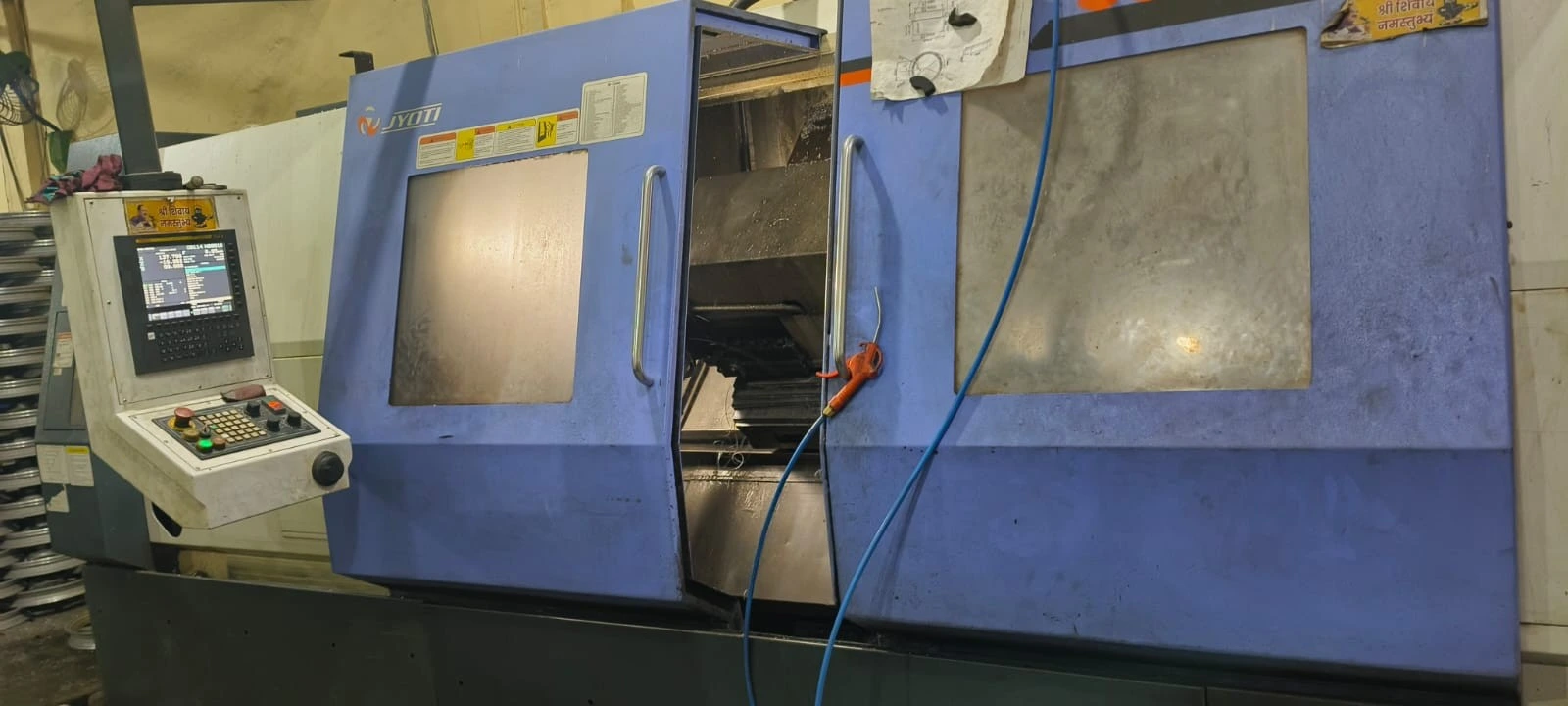
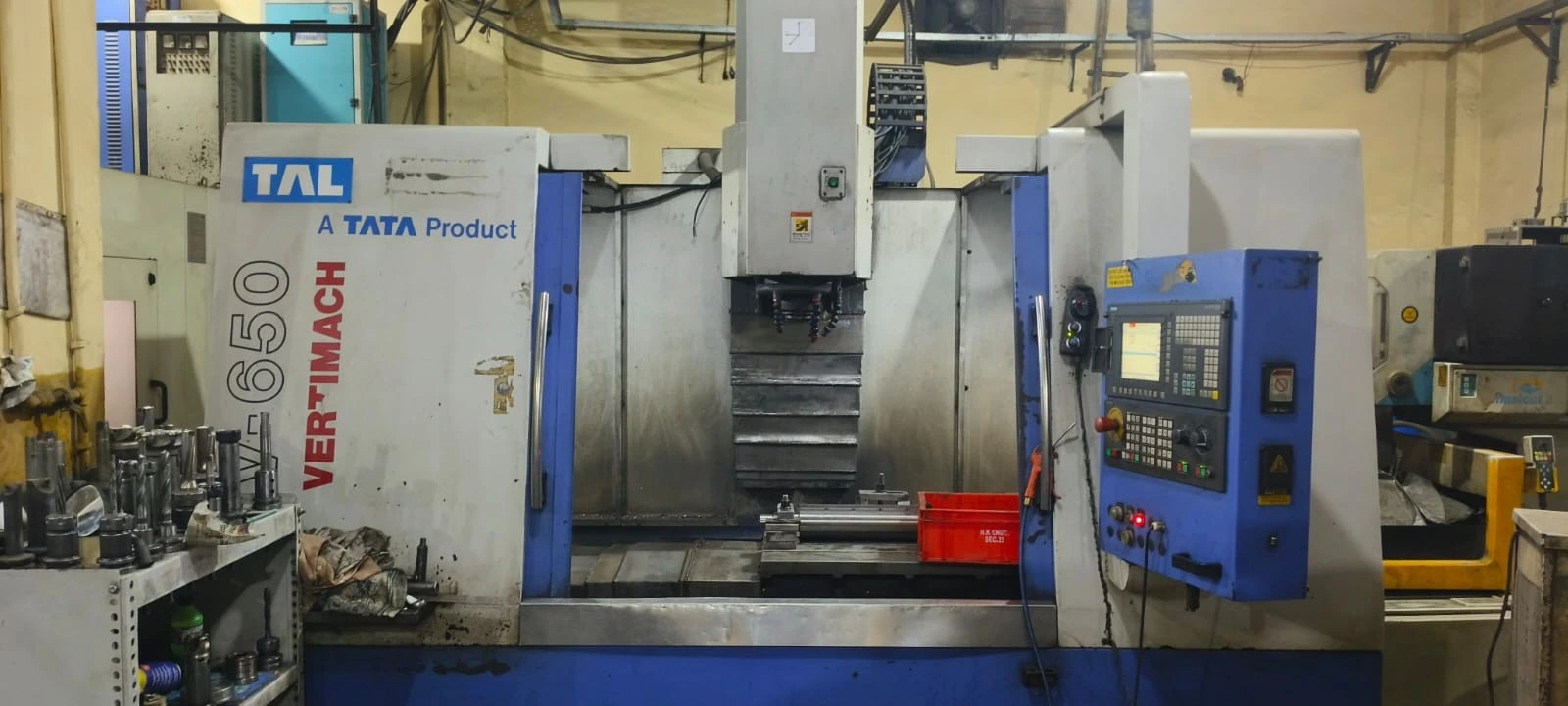
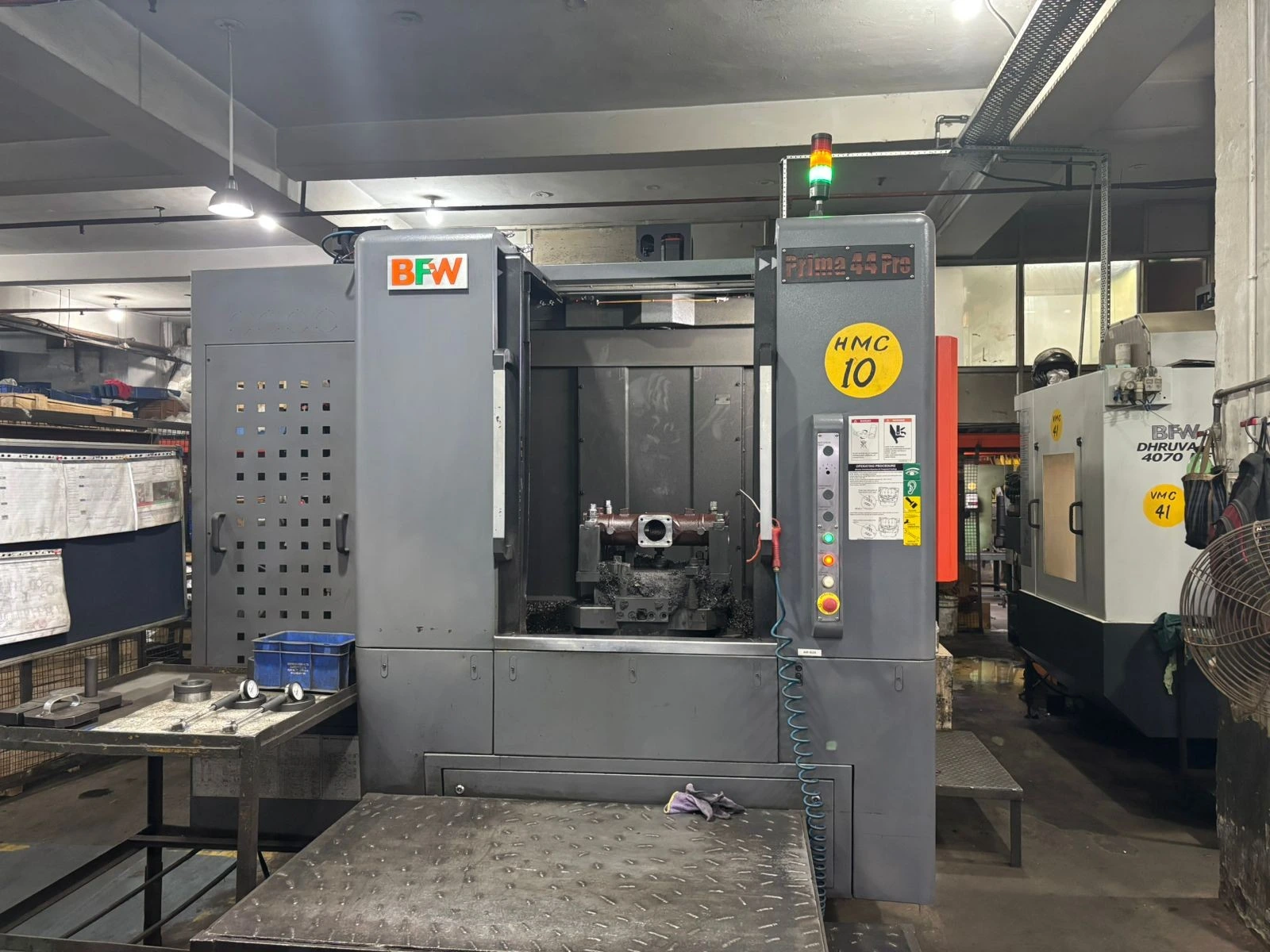
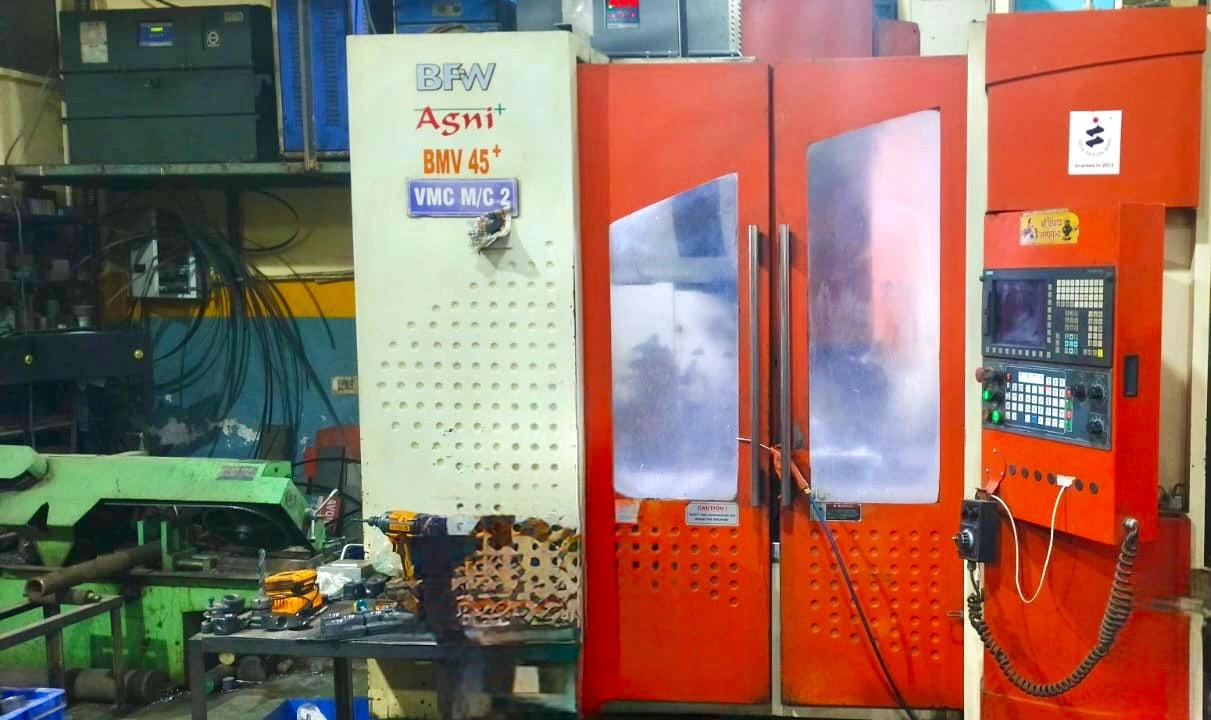
Contract CNC and VMC Machining Manufacturers · India
CNC & VMCMACHININGFROM INDIA
From CNC turning and 3, 4 and 5-axis VMC milling to features held at ±0.01 mm and surfaces ground to 3 micron. One owner runs your CNC and VMC program from your drawing to your US dock, built as a India-first path. India first, more regions as your volume grows.
CNC volume runs through India today. We program-manage in Mexico and Vietnam too, when a buyer needs a multi region resilience plan.
If you have ever sourced machined parts from anywhere in the world, you know the routine. Email at 9 in the morning. No reply. Email again at 4. Maybe an answer Tuesday. We built VIA INDIGOS so the fifth email never lands. Because one missed handoff on a CNC program can put a whole lot on hold and stall your line for weeks.
This is where the chasing stops. One owner. Drawing to dock.
Every handoff, every CMM report, every tool-wear check, every material cert, every partner selection, every first article milestone, every customs filing sits under one accountable owner on our side. That is the entire reason VIA INDIGOS exists.
Tired of those emails?
Send us your drawings. We send back a full landed cost, a tooling timeline, and one named owner on your CNC machining program.
If you have ever sourced machined parts from anywhere in the world, you know the routine. Most buyers spend their week chasing updates instead of doing their real work. We built VIA INDIGOS to give that time back. Most precision parts also need finishing and the right cast or forged blank to get to your dock, and we run the whole chain under one owner. Audited CNC and VMC partner facilities across 22+ Indian cities, part of a 470+ facility audited partner network. Combined CNC partner network across turning, milling, 5-axis, and grinding. One owner on your program from drawing intake through US dock delivery. Whether your monthly volume is 200 pieces or 20,000, we set up the program the same way.
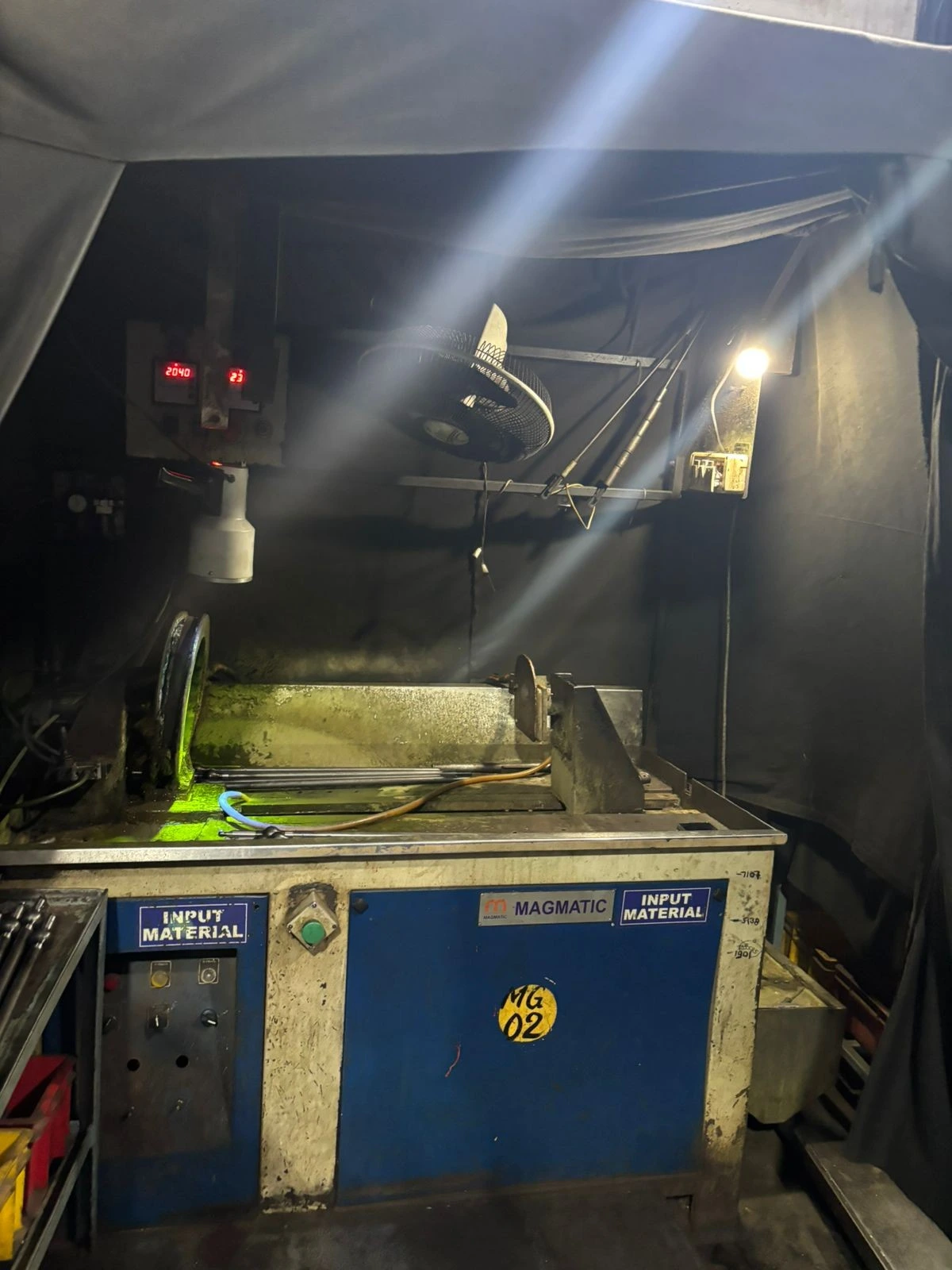
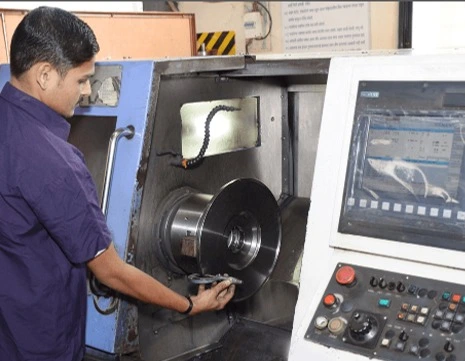
Machined Parts6061 Aluminium · Pune · 5,000 pc batch
Turned Shaft4140 Steel · Coimbatore
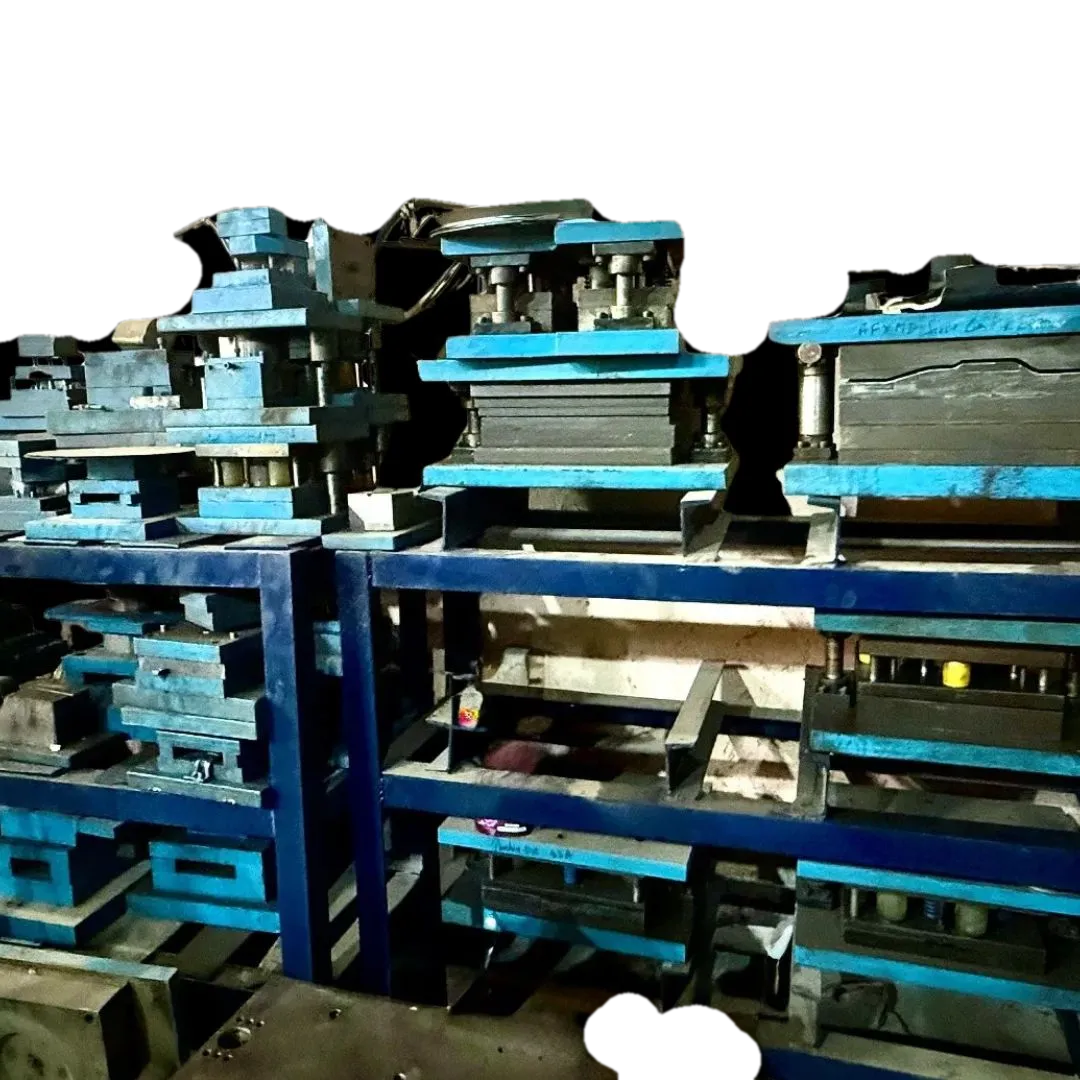
5-Axis BracketsIn Production · 7075 Aluminium · Pune
Before the first PO
After production starts
Before the first PO
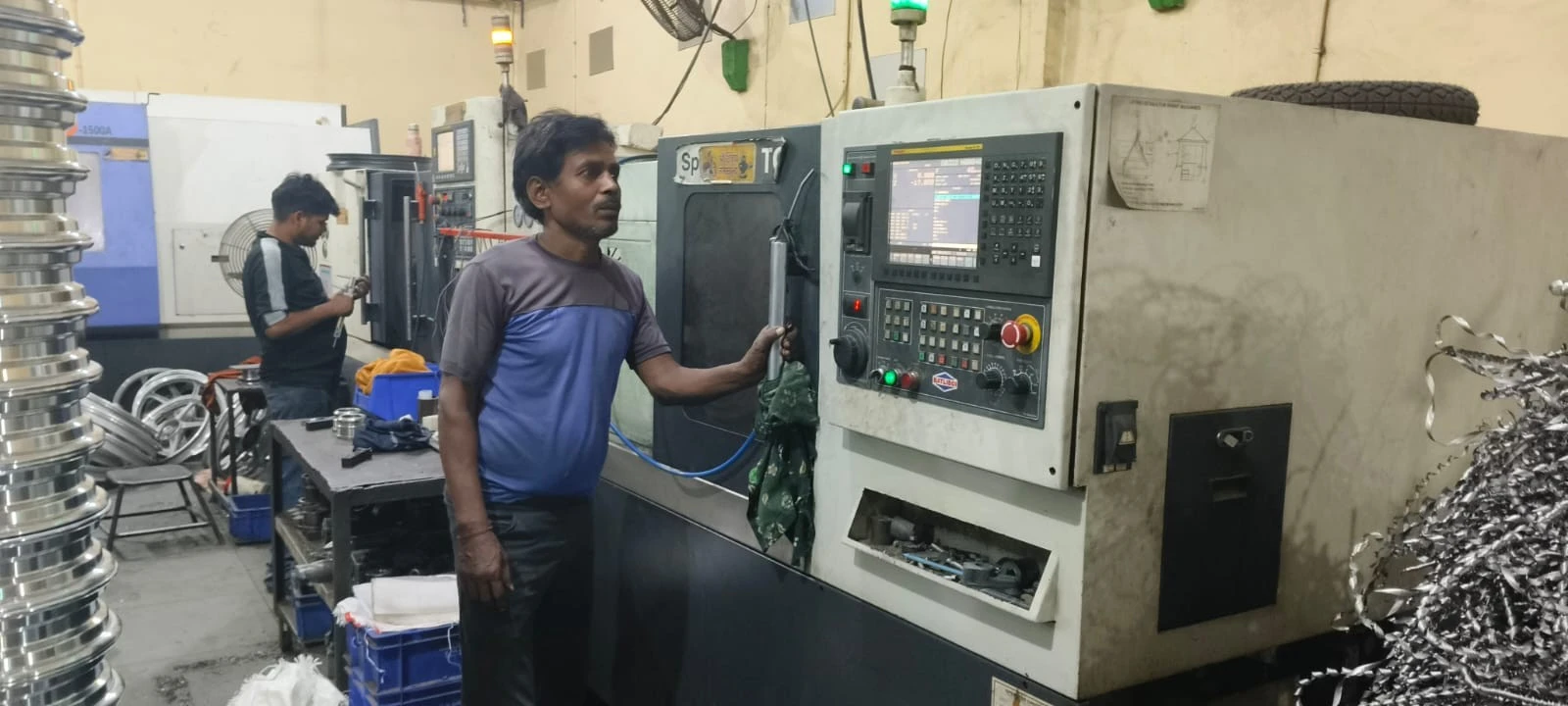
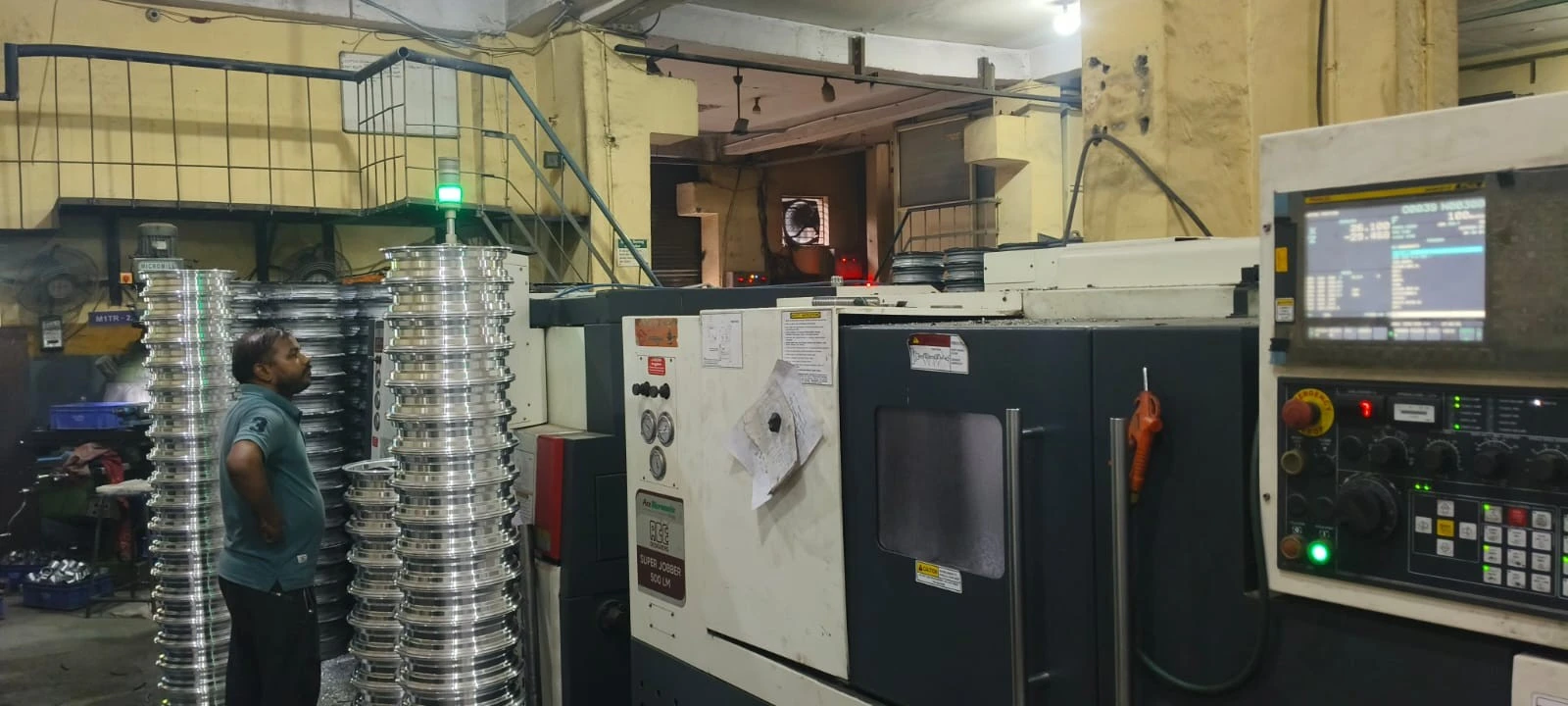
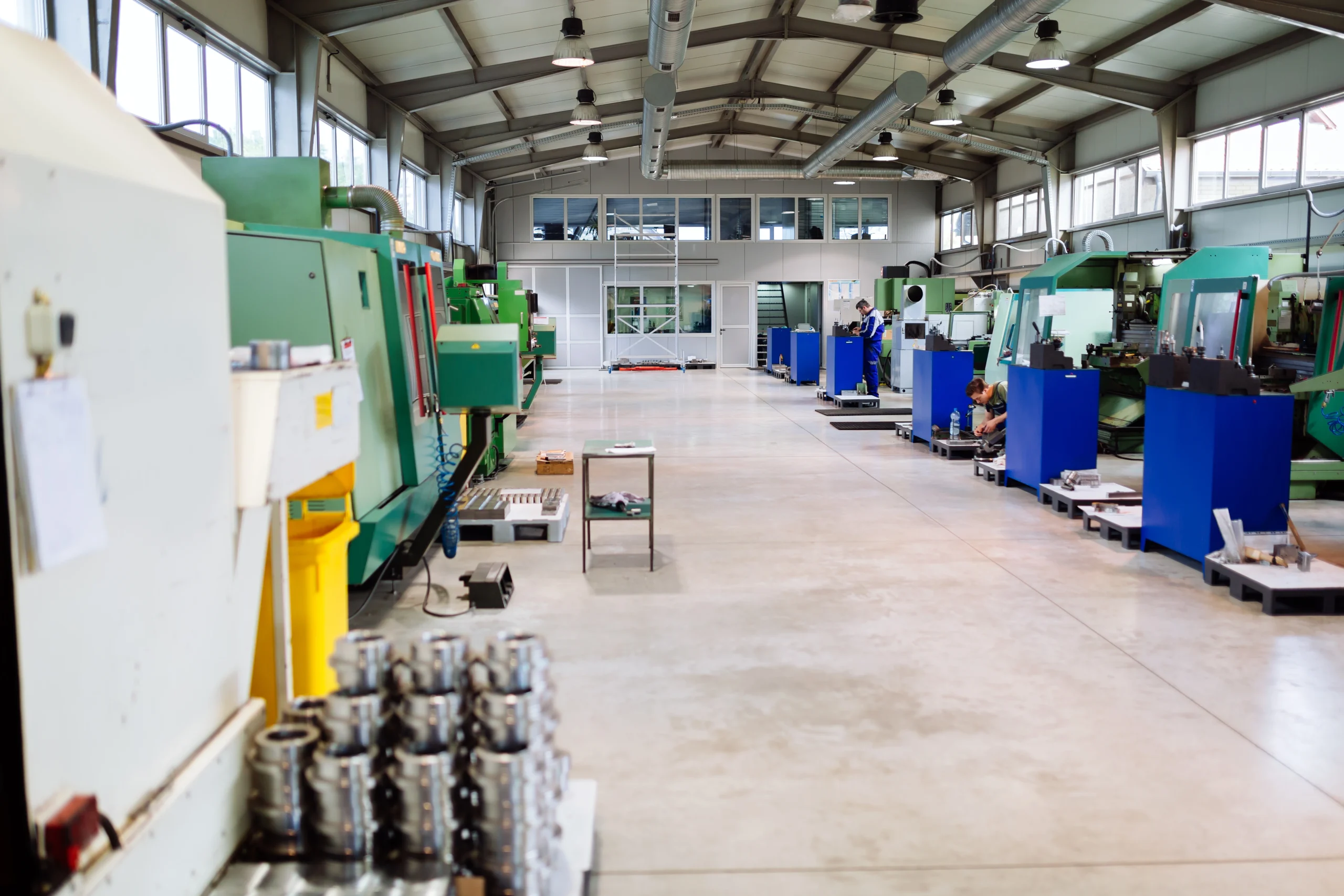
I walk the machine shop before a single PO is placed. We check spindle and axis capacity against the part envelope, workholding and fixturing, gauging and CMM capability, and the lab that will run your spectro analysis and mechanical tests. We pick partners who run machining, finishing, and inspection under their own roof, on their own QA team, on their own clock. One roof, one floor, one accountable team for the full machining chain. DFM happens before the first cut. FAI, in-process, and final gates come with a measured report, CMM data, surface finish readings, and a written verdict from our quality lead. Boots on the ground, every step of the way.
After production starts
My team runs weekly checks on tool wear, cycle counts, and inspection compliance. We track SPC on critical dimensions, CMM data on every lot, and lot to lot consistency on critical features. We send you a status report every Friday that covers WIP, inspection results, fixture and tool health, and shipping milestones. Container loading photos reach your inbox before the seal goes on. Every lot carries a traceability ID from bar to your receiving dock. Nothing ships until the dimensional report and the surface finish report both show green. We do not wait for you to ask. We report because that is how a machining program should run.
Where the chain breaks. And where we hold it.
Most contract manufacturers worldwide drop the ball at the handoff between two teams. We hold every one. Ten real stages, drawing to your dock. No sub-step skipped, no handoff left to chance.
01
Drawing intake + DFM
Break. Most suppliers quote in 7 days without a DFM pass. You find access and clamping issues at first article.
Hold. We run DFM inside 48 hours. Questions by email, not silence.
Hold. HS code locked at quote. Broker briefed. Container photos sent before seal.
Ten handoffs · One owner · Drawing to dock.
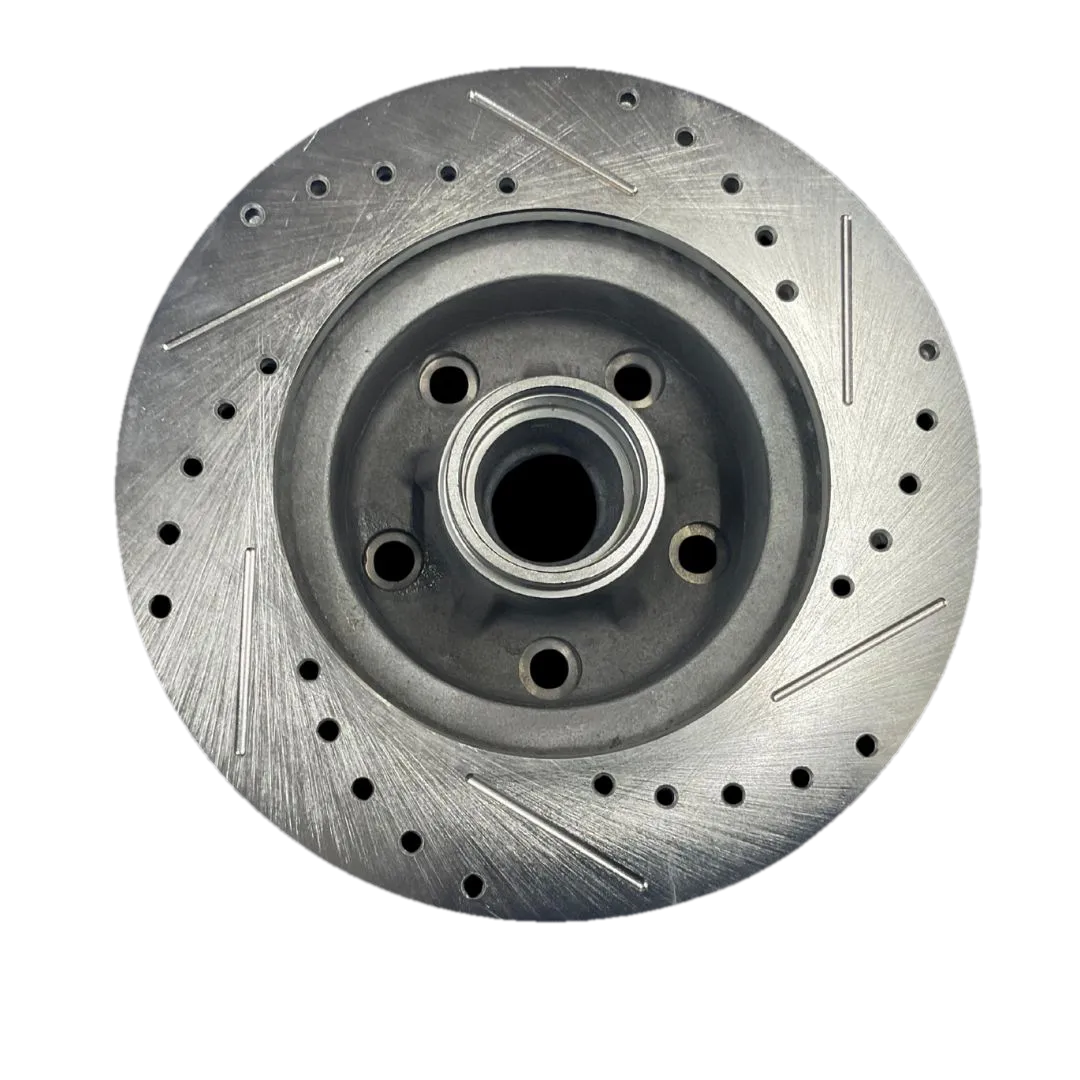
CNC + VMC machining · brake rotors
Vented brake rotors, cast and machined in India.
Vented, drilled and slotted brake rotors in gray cast iron, machined on CNC and VMC, zinc plated for corrosion resistance, then balanced and measured. Built for aftermarket and OEM programs, run by one accountable partner from your drawing to your dock.
Three things precision machining holds that near-net parts cannot.
A machined part is cut to the print, not formed close to it. The tolerance is measured, not assumed. The surface is specified, not whatever the process gave you. Three controls separate a machining program that drops into your assembly from one that ships you a sorting job.
01 · Tight tolerance
Tolerance you can prove.
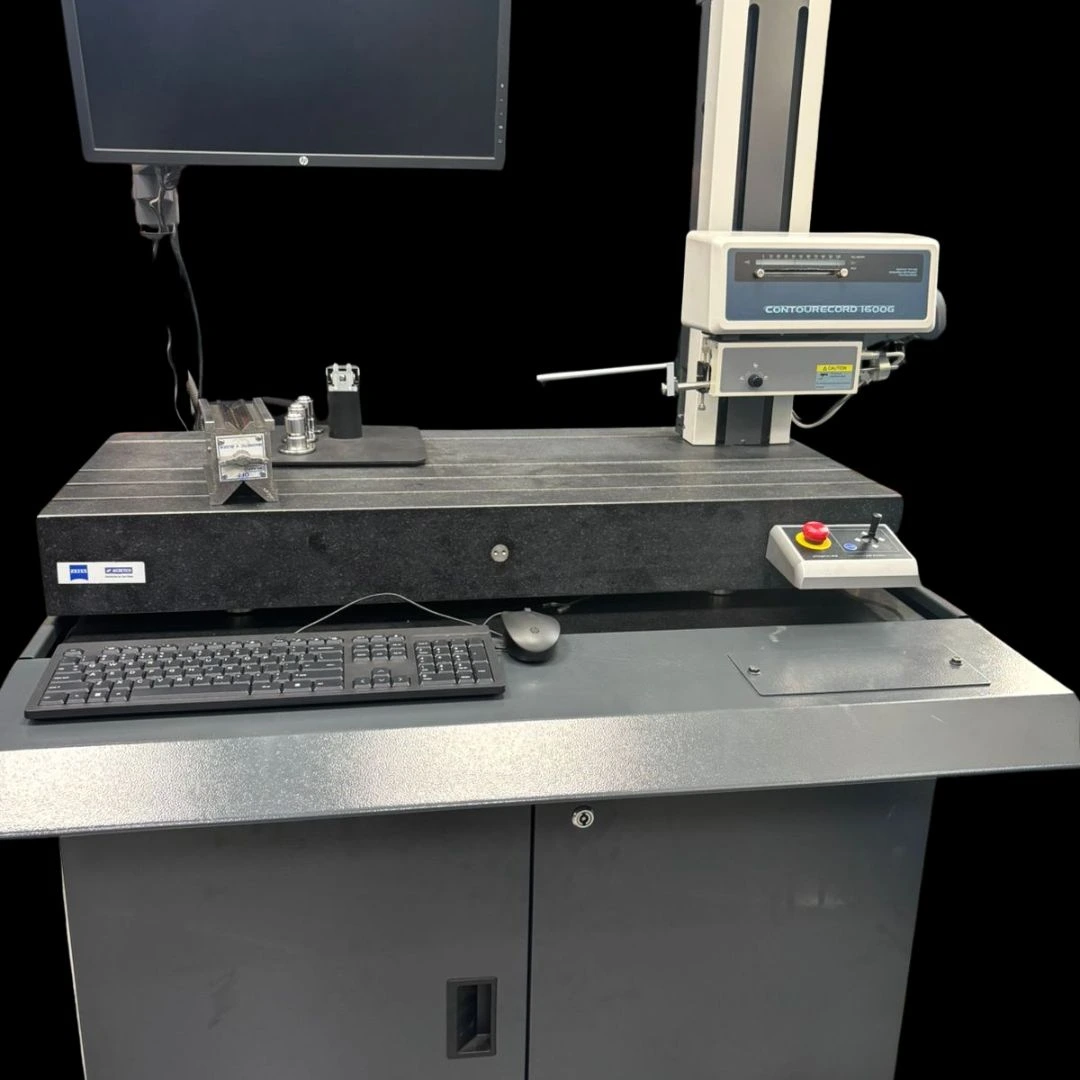
We hold ±0.01 mm on critical diameters and true position on bore patterns. Every program proves it on the CMM at first article, on every callout, against your datums. A part that measures right on paper but drifts on the floor is the part that stops your line, so we measure before the lot runs, not after it lands.
02 · Surface finish
Surface finish you specify, not hope for.
Turned at Ra 0.8, ground to Ra 0.2, honed to Ra 0.1 on bores that have to seal and slide. Each finish is a callout we measure on a surface tester, not a guess off the machine. A sealing face that came back rough is a leak in the field, so the finish is signed before the part ships, with the reading in the report.
03 · One-setup complexity
Complex features in one setup.
Five-axis machining cuts contoured features, cross holes, and tight internal corners in a single setup. Fewer setups means less stack-up error between datums, which is where most fit problems come from. The part comes off the machine closer to print, and the first article report proves the relationship between every feature, not just each one alone.
FIVE MACHINING PROCESSES WE RUN FROM INDIA.
CNC turning, 3-axis milling, 5-axis milling, grinding, and honing all run through the same VIA INDIGOS playbook. One owner from drawing to dock. One status update every Friday. One India network of 33 plus audited partner facilities behind every program.
Turning
CNC turning
The workhorse for shafts, pins, housings, flanges, and bushings. Single point and live tooling on multi-axis lathes. Tolerances from plus minus 0.05 mm down to plus minus 0.01 mm on critical diameters, Ra 0.8 as turned.
Bar / chuck
6 to 350 mm
Tolerance
±0.01 mm
3-axis
3-axis milling
Prismatic parts, plates, brackets, manifolds, and housings. Pockets, slots, drilled and tapped features held in one fixture. Tolerances to plus minus 0.025 mm, Ra 1.6 as milled.
Envelope
up to 1000 mm
Tolerance
±0.025 mm
5-axis
5-axis milling
Complex contoured parts cut in one setup. Impellers, blades, structural brackets, and aerospace or medical geometry. Fewer setups means less stack-up error between datums. Tolerances to plus minus 0.02 mm.
Axes
simultaneous 5
Tolerance
±0.02 mm
Grinding
Cylindrical & surface grinding
Where turned or milled tolerance is not tight enough. Cylindrical, surface, and centerless grinding on hardened and soft materials. Tolerances to plus minus 0.005 mm with surface finish down to Ra 0.2.
Tolerance
±0.005 mm
Surface
Ra 0.2 µm
Honing
Honing & superfinish
For bores that must seal and slide. Hydraulic cylinders, valve bodies, and bearing bores honed for roundness and surface beyond what grinding reaches. Tolerances to plus minus 0.002 mm.
Bore tol
±0.002 mm
Surface
Ra 0.1 µm
Inspection discipline
FAI . IPC . FINAL . NO LOT SHIPS WITHOUT A GATE.
Three gates, three sign offs, a measured report at every step. No lot moves forward unless the gate before it is closed. A part that runs without a first article is a part that fails inspection deep into the run, which is the most expensive place to find it. Review is a die that fails at shot 4000, and we would rather catch it on the bench than on your line.
FAI
Gate one
First article
The first part off the program is measured against every callout on the CMM before the lot runs. Datums, true position, profile, and bore sizes compared back to the print. Signed off and archived before a full run starts.
CMM report vs CAD on every callout
Datum and true position check
Surface finish Ra verified
Report and photos archived in the project file
IPC
Gate two
In-process control
SPC on critical dimensions at a set frequency through the run. CMM checks between batches. Tool-wear offsets logged so a worn insert never silently drifts a feature out of spec.
SPC on critical dimensions
CMM check between batches
Tool-wear offsets logged
Operator sign-off each shift
FINAL
Gate three
Final inspection + PPAP
PPAP Level 3 package complete. PSW signed by the buyer. Capability studies on critical features above Cpk 1.67. Lot traceability live. The lot releases only after the buyer has the full package in hand.
PPAP Level 3 package signed off
Cpk above 1.67 on critical features
MSA on the inspection method
Lot traceability ID assigned
From your drawing to your dock
NINE STEPS. ONE ACCOUNTABLE OWNER.
A machining program that runs across two countries, three suppliers, and a dozen handoffs is going to break unless someone owns every step. Below is what your program looks like under one VIA INDIGOS owner, end to end.
01
Drawing intake
PDF, STEP, IGES. NDA signed first.
02
DFM review
Datums, tolerance, finish, fixturing.
03
Quote with TCO
Part, tooling, freight, duty, all in.
04
Programming + fixturing
CAM, workholding, dry run.
05
Inspection gates
FAI, in-process, final.
06
Production run
SPC live. Friday status report.
07
QC and inspection
CMM, surface finish, dimensional.
08
Container loading
Photos, lot IDs, paperwork pack.
09
US dock delivery
JIT or warehouse. Door to door.
One accountable owner. Every step. Every program.
The numbers we run by
CNC QUALITY CONTROL.
If a metric does not have an owner, a target, and a data source, it is not a metric. Below is the scoreboard we run on every CNC machining program, refreshed weekly, surfaced in your Friday status email.
Submission
Level 3
PPAP every program
Full PSW with capability studies, MSA, and dimensional report.
First pass
≥ 95%
FPY at PPAP
Parts accepted at first submission divided by parts submitted.
On time
≥ 98%
OTD to dock
Promised date versus delivered date at customer dock.
Defect rate
< 500 ppm
Incoming defect
Buyer incoming inspection rejects per million parts shipped.
Capability
Cpk ≥ 1.67
Critical features
Process capability index on every customer flagged critical dimension.
Cost of poor quality
< 1%
COPQ of spend
Total scrap, rework, returns, and warranty claims as percent of program spend.
Traceability
100%
Lot to bar
Heat number traced from the mill through machining, finishing, and inspection, to your dock.
Inspection coverage
100%
Critical callouts
CMM on every critical callout. Surface metrology on every finish callout.
Submit your RFQ
Drawing to full quote. One owner from intake to ship.
Upload your drawings. We review, run DFM, and return a full landed cost breakdown with tooling timeline and PPAP scope. You get one contact from intake to ship.
What we do not doon a CNC & VMC program.
We are not a marketplace. We do not match you with a supplier list and call it done. Every CNC partner on your program is selected, audited, and managed by our team on the ground in India.
We do not hand you a quote and disappear. From drawing intake through dock delivery, one owner stays on your program. Every handoff is documented. Every Friday status update is sent without you asking.
We do not send your parts to a machine shop we have not personally walked. Our team audits the floor, the machines, the CMM room, and the tool crib, the SPC charts, and the people before a single PO is placed.
We do not use your drawings, tooling, or specs to make parts for anyone else. Your design stays your design. Your die stays your die. Tooling ownership transfers to you on full payment, in writing.
We do not promise a tolerance without proof. First article CMM on every callout. SPC on every production lot. If we cannot show it, we will not ship it.
We do not claim to own the machines. We own the outcome. The lot ID, the Friday update, the PPAP package, and the part landing on your dock on time. That is the whole job.
We do not start cutting before the DFM and first article are signed off. No drawing reaches the floor until manufacturability is reviewed and the first part is measured against every callout. Sign off first, production second.
Five processes · one playbook
Five machining processes. Unlimited geometries.
Tell us three things and we recommend the right CNC or VMC process for your part. Turning, 3, 4 or 5-axis milling, grinding, or honing. Engineered for your geometry, your volume, and your tolerance.
01
What is your annual volume?
02
What is the largest part dimension?
03
What tolerance does the drawing call for?
Process recommendation
We recommend CNC turning.
Based on your answers, CNC turning is the right fit. Round parts and shafts hold plus minus 0.01 mm on critical diameters with Ra 0.8 as turned, in 6061, 7075, 4140, 304 and 316. We can quote this in 5 business days with full landed cost.
We see your parts being made.So you do not have to.
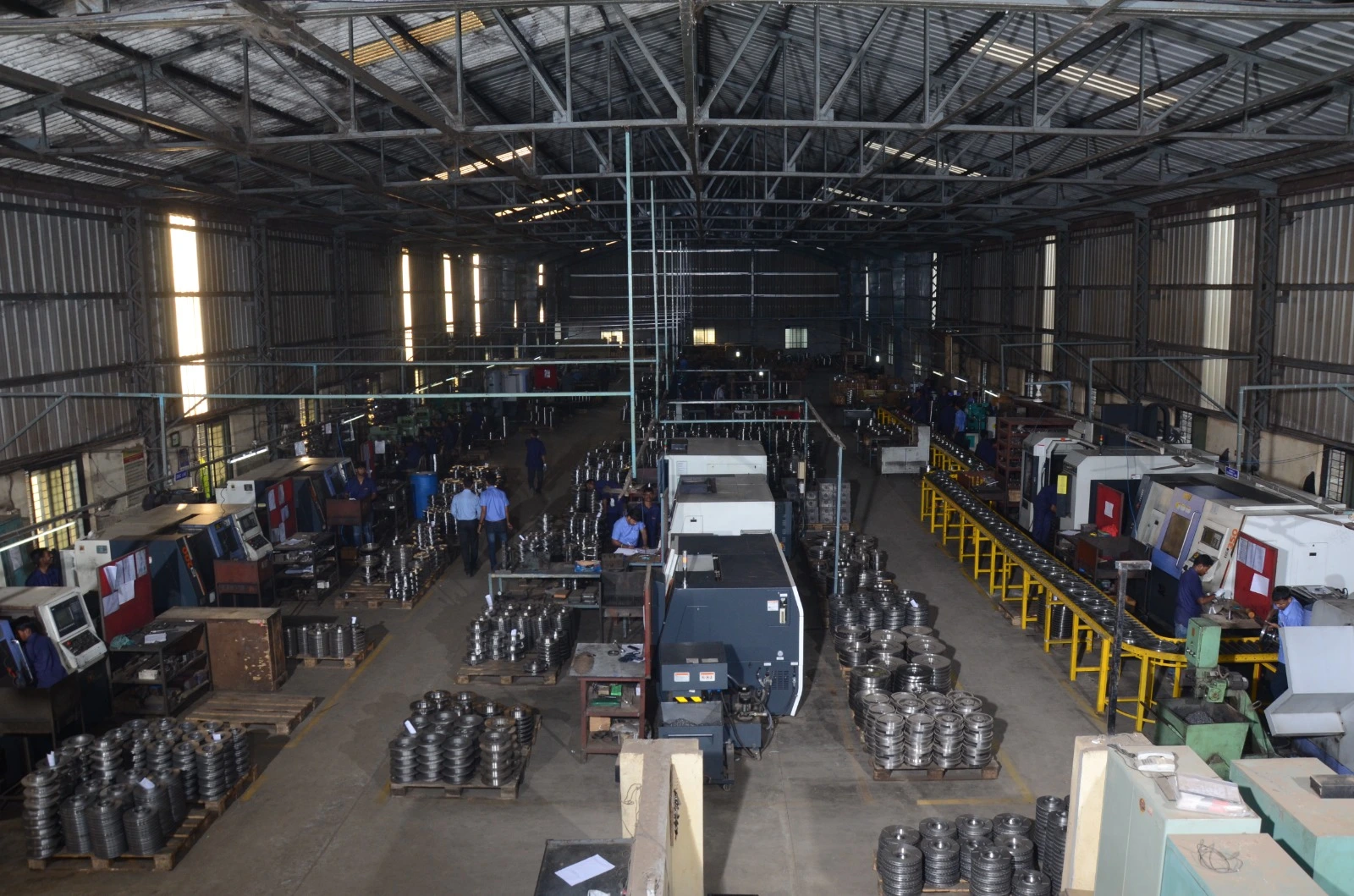
Most India sourcing is run from a laptop in Cincinnati. Ours is not. Our team is physically present at partner facilities for fixture trials, first article runs, finishing sign offs, and production launches. When something slips, we see it before you do. When quality holds, we have the photo evidence to prove it.
22+ Indian manufacturing cities. 33+ qualified CNC and VMC partner facilities. Real people on the floor making sure your drawing becomes a part that passes PPAP the first time.
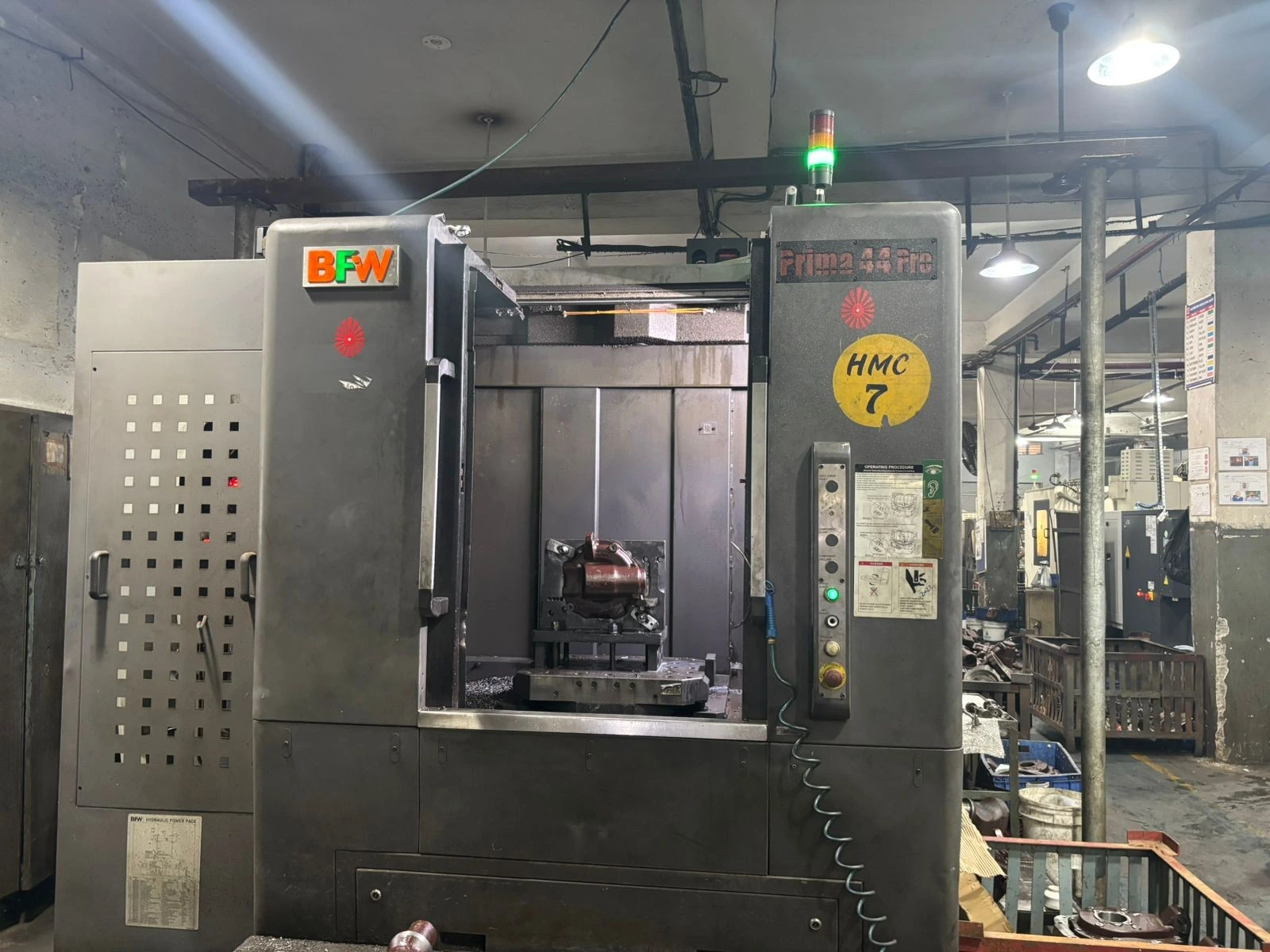
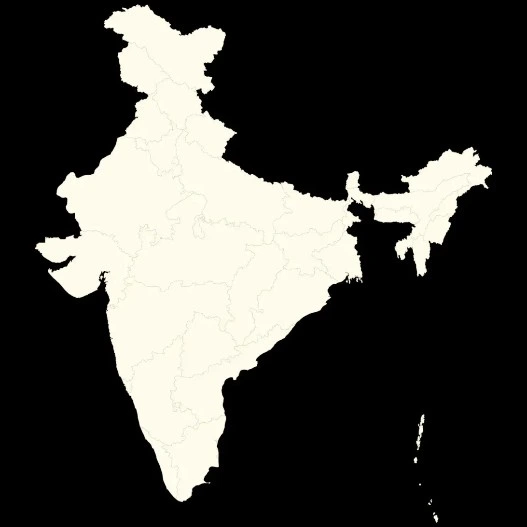
22+ cities.33+ audited CNC and VMC partners across turning, 3, 4 and 5-axis milling, horizontal machining (HMC), grinding, and honing. Hover any marker to see partner count and what runs there.
Pune 8+ partners
CNC turning · milling · automotive tier 1
Mumbai 3+ partners
Logistics hub · Nhava Sheva port · consolidation
Aurangabad 3+ partners
CNC machining · auto components · precision
Nashik 2+ partners
Milling · automotive housings · alloy steel
Rajkot 4+ partners
Turning · milling · valve and pump bodies
Ahmedabad 2+ partners
CNC machining · sub assemblies · housings
Vadodara 1+ partners
CNC machining · industrial · valves
Indore 2+ partners
Turning · milling · light industrial
Bhopal 1+ partners
CNC machining · heavy industrial parts
Faridabad 5+ partners
CNC milling · auto tier 1 · turning
Ludhiana 5+ partners
Machining hub · agriculture · auto components
Delhi NCR 3+ partners
CNC milling · turning · electronics
Kolhapur 1+ partners
Machining cluster · castings · auto
Belgaum 1+ partners
CNC machining · castings
Hyderabad 2+ partners
Aerospace machining · 5-axis · precision
Bengaluru 2+ partners
Aerospace · 5-axis · precision components
Chennai 4+ partners
Auto OEM tier · port hub · CNC machining
Coimbatore 5+ partners
Pumps · turning · heavy machining
Howrah 2+ partners
Heavy machining · industrial equipment
Jamshedpur 2+ partners
Heavy machining · turning · industrial
22+ cities · 33+ CNC partners · 1,250+ machines across turning, milling, and grinding
What you can hold
CNC tolerancesby process.
Every drawing carries a tolerance. Every tolerance carries a process. Below is what each CNC process can hold as machined, and what we can deliver after a grinding or finishing pass. Numbers are typical for VIA INDIGOS programs across common aluminium, steel, and stainless grades.
CNC process
Typical materials
As machined tolerance
After grinding / finishing
Reference standard
Turning
6061, 7075, 4140, 304, 316, brass
±0.01 mm
±0.005 mm
ISO 2768-f
3-axis milling
6061, 7075, 4140, 304, 316
±0.025 mm
±0.01 mm
ISO 2768-m
5-axis milling
titanium, Inconel, 17-4 PH, 6061
±0.02 mm
±0.01 mm
ISO 2768-f
HMC milling
cast iron, 4140, 6061, 7075
±0.02 mm
±0.01 mm
ISO 2768-f
Grinding
hardened steel, carbide, ceramics
±0.005 mm
±0.002 mm
ISO 286 IT5
Honing
cast iron, hardened bores, bronze
±0.005 mm
±0.002 mm
ISO 286 IT4
Tighter tolerances available on request. Material, feature geometry, and fixturing all affect achievable tolerance. We confirm callouts during DFM review before quote.
Send your drawing.
Get a tolerance and DFM read in 48 hours. We tell you what is machinable, what to watch, and the realistic tolerance.
Machining process comparison · cost, volume, lead time.
Turning vs 3-axis vs 5-axis vs grinding vs mill-turn. Five honest comparisons, not marketing claims. Use this to short list before you send the drawing.
DWG 001 · REV ASCALE 1:1
TURNING
Volume50 to 100,000pcs/year
Lead time2 to 4weeks to FAI
Size6 to 350mm dia
ToolingLOW
Pick this when
Round parts, shafts, bushings, high throughput, tight diameters.
DRAWNVI ENGCHKDMSUNITSMETRIC
DWG 002 · REV ASCALE 1:1
3-AXIS MILLING
Volume10 to 50,000pcs/year
Lead time2 to 5weeks to FAI
Sizeup to 1000mm envelope
ToolingLOW
Pick this when
Prismatic parts, brackets, housings, plates.
DRAWNVI ENGCHKDMSUNITSMETRIC
DWG 003 · REV ASCALE 1:1
5-AXIS MILLING
Volume1 to 10,000pcs/year
Lead time3 to 6weeks to FAI
Sizecontouredone setup
ToolingMEDIUM
Pick this when
Complex geometry, fewer setups, aerospace and medical.
DRAWNVI ENGCHKDMSUNITSMETRIC
DWG 004 · REV ASCALE 1:1
GRINDING
Volume50 to 50,000pcs/year
Lead time1 to 3weeks added
Sizeto ±0.005mm
ToolingMEDIUM
Pick this when
When turned or milled tolerance is not tight enough.
DRAWNVI ENGCHKDMSUNITSMETRIC
DWG 005 · REV ASCALE 1:1
MILL-TURN
Volume100 to 100,000pcs/year
Lead time3 to 5weeks to FAI
Sizeturn + millone setup
ToolingMEDIUM
Pick this when
Parts needing turning and milling in one setup.
DRAWNVI ENGCHKDMSUNITSMETRIC
Not sure which fits? Use the process picker above and we recommend the right process for your geometry, volume, and tolerance in 30 seconds. Or send the drawing and we quote both options where it makes sense.
Every industry has its own certs, its own regulatory pressure, its own drawing conventions. The handoff discipline stays the same. What changes is the technical documentation that moves with the part.
Plain English answers, written for procurement and engineering teams who want a real number, not a brochure. Last reviewed by Mandeep Singh in June 2026.
Most CNC parts need only soft jaws or a simple fixture, which we cut in days, not weeks. From PO to a signed first article is typically 2 to 4 weeks, depending on material lead time, programming, and how many setups the part needs. Parts that need a dedicated fixture or 5-axis work push toward 4 to 6 weeks. If a shop quotes you a lead time, ask whether it includes the first article CMM report and PPAP, or just parts in a box.
3-axis wins for prismatic parts, plates, brackets, and housings where the features sit on faces you can reach from above. Lower cost per part, simple fixturing, fast cycle. 5-axis wins for contoured geometry, undercuts, and parts where many features must hold a tight relationship to each other, cut in one setup to remove stack-up error. Higher machine cost per hour, but fewer setups and less inspection risk on complex parts.
PPAP Level 3 means we send the buyer the full Production Part Approval Process package: signed PSW, design records, a dimensional report on every callout, material test reports, capability studies with Cpk on critical features, MSA on the inspection method, control plan, PFMEA, and the appearance approval report when surface finish is a callout. The lot does not release until the buyer has the package in hand and the PSW is signed.
Every part is machined in India at an audited partner facility our team has walked in person. One VIA INDIGOS owner stays accountable from drawing intake to your dock, with first article CMM and in-process SPC documented on every lot. Country of origin is India, stated on the commercial invoice and certificate of origin.
Machining has no tooling to amortize, so minimums are low. Our partners run prototype and bridge lots as small as 10 to 50 pieces, and production releases scale from there. Annual volume changes the price per part, not whether we can make it. Tell us the part and the annual volume and we tell you the price break points and the floor.
First article inspection on a coordinate measuring machine, against every callout on the drawing, before the lot runs. We send you the CMM report with datums, true position, and profile measured, not a verbal pass. Through the run we hold it with SPC on critical dimensions, CMM checks between batches, and tool-wear offsets logged so a worn insert never drifts a feature out of spec.
Aluminium 6061 and 7075 machine fast and finish clean, ideal for housings, brackets, and heat sinks. Steel and stainless, 4140, 304, 316, and 17-4 PH, cover structural and corrosion duty. Titanium and Inconel run on 5-axis for aerospace and medical. Each material changes feeds, speeds, and tool wear, which we plan into the quote. Every bar arrives with a mill cert matched to your drawing before it is cut.
FAI. The first part is measured against every callout on the CMM before the lot runs, datums, true position, profile, and bore sizes vs the CAD print. In-process. SPC on critical dimensions, CMM checks between batches, tool-wear offsets logged, operator sign-off each shift. Final. PPAP Level 3 complete, PSW signed, Cpk above 1.67 on critical features, lot traceability assigned.
Default is FOB Nhava Sheva or CIF US West Coast. We offer DDP on request with a logistics markup that we disclose up front. Inbound preferences are Los Angeles, Long Beach, New York, Newark, and Chicago, with alternates only when they improve lead time or cost. For programs with US warehouse pull, we hold inventory and ship JIT to your dock on a published rate card.
You do. Any dedicated fixture or workholding you pay for transfers to you on full payment, in writing, with a tooling passport that documents fixture ID, cycle history, and storage location. We hold it at our partner facility on a bailment basis, available for inspection or transfer at any time. If you want to move the program in 18 months, the fixtures and programs are yours.
Production is typically 30 percent at PO and the balance at shipment, or net 30 for approved buyers. Tooling and fixtures are milestone based, for example 40 percent at PO, 30 percent at first article, 30 percent at approval. Every number is fixed in the PO before work starts.
One owner stays on your program and sends a written status every Friday across RFQs, tooling, production, and logistics. You get a first response within 24 hours on any question, plus photos or video at first article and inspection. You never have to chase an update.
Yes. Every lot ships with material test certificates, the inspection report against your drawing, and a traceable lot ID. PPAP programs include the full documentation package, so any part traces back to its heat, machine, and inspection record.
Your drawings and specs sit under a mutual NDA and are never used to make parts for anyone else. Your design stays yours, your tooling stays yours, and access is limited by role. We do not publish or share partner facility names without your approval.
After first article approval, standard CNC and VMC production usually ships in 3 to 6 weeks, depending on quantity, material availability, and finishing. We confirm a firm date on the PO and flag any schedule risk early, well before it affects your dock date.
Last call
Your machined parts are worth a free quote.
Send us your drawings. You get a full landed cost breakdown, a tooling timeline, the recommended machining process, and a PPAP scope. One contact from intake to ship. No commitment required.