
Every month or so a buyer calls me with a spreadsheet open. On one side he has his current CNC machining services in China at $30 an hour, and on the other a shop in India at $24. He wants to know whether the move is worth it. I ask one question back, which tariff code does the finished part enter the US under, and most of the time the answer is a pause. That is not a criticism, because when I was buying parts myself the code was a line our broker filled in after the fact, and it rarely changed anything. Today the code on a machined aluminum part can swing the landed cost by more than the whole machining charge. I have watched buyers move work for a $6 an hour saving and give it back 3 times over at the port. So let me walk you through one machined housing the way we would decide it at VIA INDIGOS, with the code first, the shop rate where it belongs, and the landed cost from both countries under 2 different codes.
On most machined parts, India and China are within about 5% of each other at the plant. At the US dock the HTS code decides the gap: as of November 2026, an aluminum housing under HTS 7616.99 pays 52.5% duty from India and 77.5% from China.
1. Tariffs on CNC machined parts: get the HTS code before the quote
Take a real part, an aluminum housing for an industrial sensor. It is 6061 T6, machined from a 1.4 kg billet down to 0.6 kg, about 105 by 65 by 50 mm finished, with 12 holes, 2 of them tapped, clear anodized, 2,000 a year. Before you ask any shop for a price, ask your broker what the finished part is classified as, because that answer decides what the duty line looks like. If it enters as an article of aluminum under HTS 7616.99, it is a Section 232 aluminum article. As of November 2026 that means 50% on its full customs value from either country, plus the 2.5% MFN rate, plus the 2018 Section 301 duty of 25% from China only.
If it enters as a part of the instrument it goes into, under Chapter 90, the stack is different again, and the USITC tariff schedule is where the code lives. The code is decided by what the part is and what it is for, never by what the invoice says. A buyer who prices the shop rate before the code is pricing the wrong number, which is exactly what that monthly spreadsheet does. Get the code, then get the quotes, and when the quotes arrive, do not read them the way I used to.
2. CNC machining cost per hour in China vs India, and why it misleads
For years I compared machine shops by the CNC machining hourly rate, $24 in one country and $32 in another, and the spreadsheet looked rigorous. Our engineering team kept pricing the same parts from the cycle time instead, and their numbers and mine kept disagreeing, until one of them sat me down and showed me why. Nobody buys hours, because what you buy is a part. The part price is the cycle time on that machine times that rate, plus setup spread over the lot, plus material, plus finishing, plus the scrap rate the shop has quietly built in. A shop at $32 an hour with a fixture that holds 4 housings and a program that runs 11 minutes a part beats a shop at $24 an hour that holds 1 and runs 19 minutes, every single time. I wrote out that full price breakup, line by line, in this LinkedIn post, and you can ask any shop for the same one.
The only way to see that is to ask for the part price at your release size with the cycle time shown, and a shop that will not show the cycle time is telling you something. Published 3 axis rates for export shops run about $20 to $38 an hour in India and $20 to $60 in China, against $65 to $110 in the US, and they move with the city, the machine and the certification. The gap between India and China is small enough that the fixture and the program decide it on most parts, not the flag. What does separate the two countries is the kind of work you send, and that is the next thing to be honest with yourself about.
3. Online CNC machining services in China vs repeat production in India
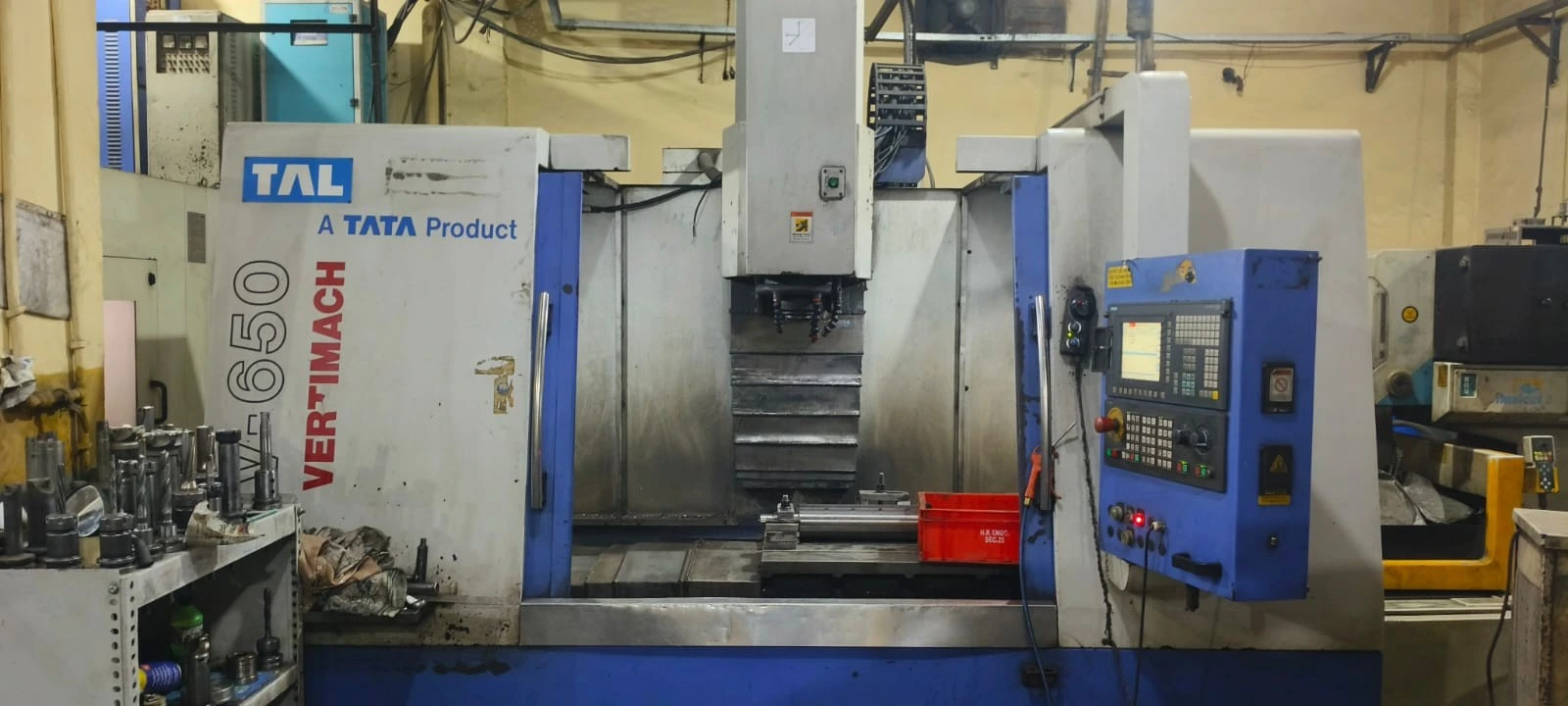
China built the online machining business. For a prototype or a first batch of 20 pieces in 7 days, with an instant quote and a credit card, the online CNC machining services in China are still the fastest way on earth to get a machined part, and I tell buyers that plainly. A China CNC machining service of that kind is built for speed on a new drawing. India is weaker at that end and stronger at the other, which is a part that repeats every month for 3 years, with a PPAP, a control plan, a dedicated fixture, and a price that holds because the shop has the volume.
So be honest with yourself about your own pattern. If your drawing changes every release and you need parts in a week, keep the prototype work in China or at home, and I mean that. If the drawing is frozen and the releases repeat, the part belongs in a plant that will run it on the same machine with the same fixture for years, and that is the heart of a China+1 plan. I have also written on LinkedIn about choosing the right country for the part, because a right move out of China can still land in the wrong place. Our manufacturing partners are built for exactly that, with 3 axis and 4 axis VMCs and turning centers with live tooling. You get the first article report before production starts, and the dimensional report plus our inspection is signed off before every lot ships. The material and the blank matter next, and on the blank India has an advantage that rarely shows up on a spreadsheet.
4. Materials, 5 axis and finishing: what each country machines well
Aluminum 6061 and 7075, carbon and alloy steel, 304 and 316 stainless, cast iron and brass run in both countries without a second thought. Exotic alloys, titanium and nickel alloys in quantity, and the deep plating and coating clusters sit on the China side. So does 5 axis capacity at scale, and precision CNC machining in China still has more of those machines than anywhere else. Indian shops have added 5 axis centers fast in the last few years, and I would not have said that 5 years ago.
On the India side sits the thing that matters most for a housing like ours. The casting or the extrusion the part is machined from can come from one of our partner foundries or extrusion presses in the same city, machined in the same program, with one party following both. A housing machined from a near net blank instead of a billet cuts the cycle time by about half, and it cuts the blank from 1.4 kg to about 0.8 kg.
There is a catch, because 6061 is a wrought alloy and cannot be cast. A cast blank means a casting alloy such as A356 or A380, a drawing change and a different anodized look, while a 6061 extrusion keeps the alloy. That makes it an engineering decision and not a buying one. A blank sourced in one country and machined in another loses the advantage, so ask whether the blank and the machining can sit in one program before you ask anything else. Now let’s put the housing on the dock with real numbers.
5. Landed cost of an aluminum CNC housing: India vs China (November 2026)
Here is the sensor housing with the numbers. They are indicative plant prices, sea freight to the US East Coast, and duty on the plant price, never on the freight, as of November 2026. The table runs the 2 classifications side by side, because that is the real decision. For the Chapter 90 case I have used HTS 9026.90.20, parts of electrical flow, level or pressure instruments, which is duty free at the MFN rate. You will see that aluminum CNC machining in China lands behind India under both codes, and that the code moves the landed cost more than the country does.
| Per piece, 2,000 a year | VIA INDIGOS, India6061 housing, anodized | Chinasame part | How it is figured |
|---|---|---|---|
| Plant price, ex works | $14.20 | $13.60 | billet, 3 axis, anodize, indicative |
| Freight and clearance | $0.50 | $0.50 | LCL sea, broker, East Coast |
| Duty as an aluminum article, HTS 7616.99 | 52.5% = $7.46 | 77.5% = $10.54 | MFN 2.5% + Section 232 aluminum 50%, China adds 2018 Section 301 at 25% |
| Landed under 7616.99 | $22.16 | $24.64 | plant + freight + duty |
| Duty as an instrument part, Chapter 90 (HTS 9026.90.20), no Section 232 | 10% = $1.42 | 37.5% = $5.10 | MFN Free + Section 301 forced labor duty (India 10%, China 12.5%), China adds 2018 Section 301 at 25% |
| Landed under Chapter 90 | $16.12 | $19.20 | plant + freight + duty |
is what the tariff code itself is worth on this one housing from India, $22.16 against $16.12, which is more than India saves you against China under either code. That is why the code comes before the shop rate, every time.
The plant price is close, within 5%, because machining rates in the two countries are close, and the duty is what opens the gap. The Section 301 forced labor duty in the table is 10% on Indian goods and 12.5% on Chinese goods since July 24, 2026, and it is not charged on Section 232 goods. The 2018 Section 301 duty on China is charged on top in both cases. The India vs China note shows the same stack across other part families.
Have your broker confirm 3 things before any of this goes into a budget. The first is the 10 digit code, and that the 7616.99 code is on China’s 25% list. The second is the China list for the Chapter 90 code, because if it sits on the 7.5% list (List 4A) instead of the 25% list, China lands at $16.82 and India’s lead falls to $0.70. The third is Section 232, because since April 6, 2026 many derivative parts pay a 25% or 50% Section 232 duty on full value (Annex I-B). If your code is listed there, both countries pay it and the forced labor duty drops off. The calendar is the one thing the two countries do not separate on, and who checks the parts is the thing they do.

6. CNC machining lead time in India vs China, and who checks the parts
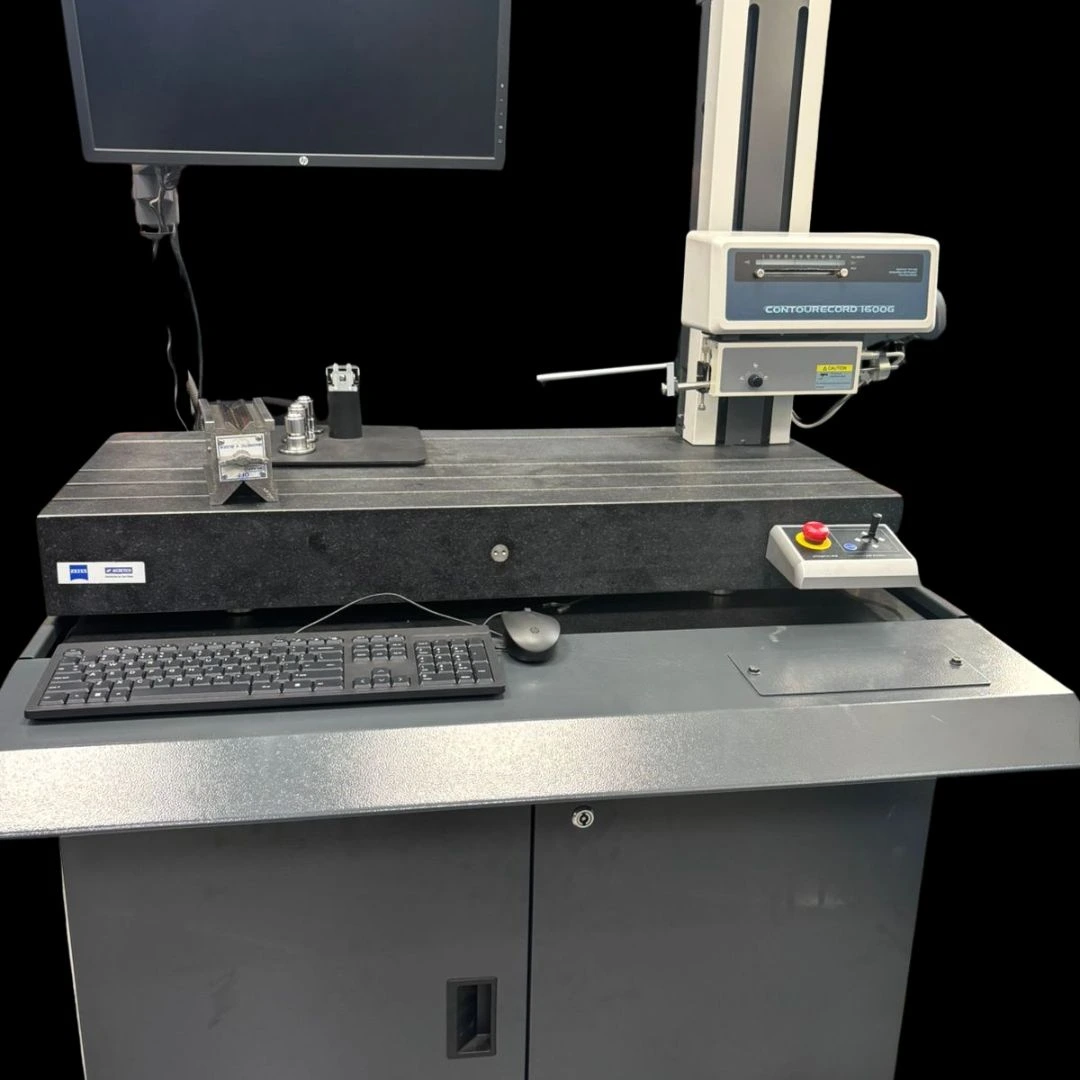
Production lead time for a repeat machined part is 3 to 5 weeks in either country once the fixture exists. It is 4 to 6 weeks where a new fixture or 5 axis work is involved, so on lead time for CNC machining India and China are level. They separate on who checks the parts between the PO and the ship date. On our programs the first article report comes before production starts, and nothing ships until the dimensional report and our inspection are signed off.
That is the step China’s online CNC model is built to skip. It works right up until a tapped hole is 0.3 mm off position across 2,000 pieces and nobody caught it before the box closed, which I have lived through as a buyer more than once in 13 years. Keep in China or at home the prototypes, the drawings that change every month, the exotic alloys and anything whose value is mostly a Shenzhen plating.
Move to India the repeat production, the parts machined from castings, forgings or extrusions that India already makes, and the aluminum and steel parts that carry the 2018 Section 301 duty from China. If you buy from China CNC machining services today, send me the drawings of the 3 parts that repeat most and I will price them landed, with the codes shown.
What US buyers ask about CNC machining in China vs India
Is CNC machining cheaper in India or China?
At the plant the two are within about 5% of each other on most parts, with published 3 axis rates of roughly $20 to $38 an hour in India and $20 to $60 in China. At the US dock India is usually cheaper, because machined parts from China carry the 2018 Section 301 duty at 25% on top of the same MFN and Section 232 lines.
What tariff applies to CNC machined aluminum parts from India?
If the part enters as an article of aluminum under Chapter 76, as of November 2026 it pays the 2.5% MFN rate plus Section 232 at 50% of its full customs value. The Section 301 forced labor duty, 10% on Indian goods and 12.5% on Chinese goods since July 24, 2026, is not charged on Section 232 goods. If the part enters as a part of a machine or instrument under another chapter the stack changes, so the 10 digit code from your broker comes first.
When should I keep CNC work in China?
For prototypes, first batches of a few pieces in a week, drawings that change every release, exotic alloys in quantity, and parts whose value is mostly a plating or coating that a Chinese cluster does well. The online machining model in China is built for that end, and India is built for repeat production with a fixture, a PPAP and a signed inspection before every lot ships.
How long does CNC machining take in India?
For a repeat part with an existing fixture, 3 to 5 weeks production plus sea freight of 30 to 40 days to the US East Coast, the same as China. New fixtures or 5 axis work take 4 to 6 weeks. The first article report comes before production starts, and nothing ships until the dimensional report and our inspection are signed off.
How much does CNC machining cost per hour in India?
About $20 to $38 an hour on a 3 axis machine at an export shop, against $20 to $60 in China and $65 to $110 in the US, on published rates. The CNC machining cost per hour in India tells you little on its own, so compare part prices at your release size with the cycle time shown.
Are online CNC machining services in China good for production?
They are best for prototypes, first batches and drawings that still change, where an instant quote and parts in a week matter most. They are weaker for repeat parts that need a PPAP, a control plan and a fixed fixture, which is where a production plant with a dedicated fixture holds the price and the quality.